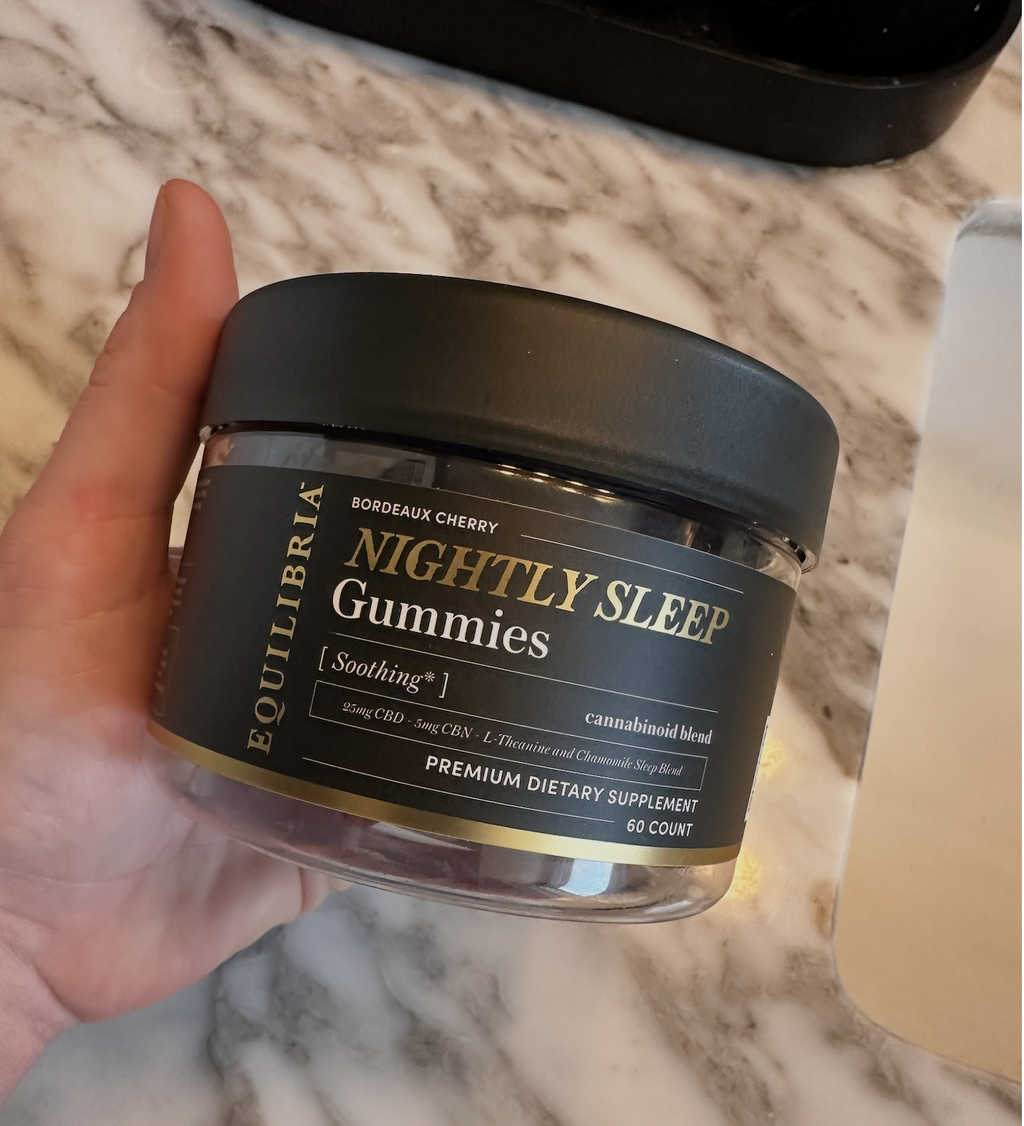

Key Takeaways: Low-Dose THC for Women's Wellness
- THC is biphasic— low doses (1–5mg) produce calming, pro-sleep effects; high doses can increase anxiety and impair cognition
-
The ECS is your master regulatory system— THC binds CB1 and CB2 receptors to influence mood, sleep, pain, and stress response -
Women's ECS shifts with hormones - progesterone fluctuations affect endocannabinoid tone, making low-dose THC relevant for cycle support -
CBD + THC work better together— combining both enhances benefits while making the experience more comfortable for THC-sensitive individuals. - Start at 1–2mg and go slow — consistency and intentional dosing are key to sustainable, therapeutic results
THC has a complicated reputation.
For decades, it was either stigmatized as a recreational drug or quietly used by women who simply knew it helped with menstrual cramps, sleep, or the kind of tension that builds up after a long week.
Now, the science is starting to catch up with what many women have known intuitively: that small, intentional doses of THC can be a genuinely useful wellness tool.
The keyword here is small. Low-dose THC behaves differently in the body than the higher doses associated with recreational use, and understanding that distinction is the foundation of using it well.
How THC Works in the Body
THC (tetrahydrocannabinol) is a phytocannabinoid - a plant-derived compound that interacts with your body’s endocannabinoid system (ECS).
The ECS is a master regulatory network made up of receptors (primarily CB1 and CB2), endocannabinoids your body produces naturally, and the enzymes that build and break them down. It helps govern mood, sleep, pain perception, appetite, inflammation, and stress response.
THC works primarily by binding to CB1 receptors, which are concentrated in the brain and nervous system, and CB2 receptors, which are more prominent in peripheral tissue. This binding influences the release of neurotransmitters like dopamine, GABA, and serotonin. This is why THC can have such a wide range of effects depending on the dose.
This dose-dependence is critical. At higher doses, THC can cause anxiety, impaired cognition, and disrupted sleep architecture. At lower doses, in the range of 1–5 mg, the effects tend to be calming, mood-supportive, and pro-sleep without significant intoxication. Researchers refer to this as a biphasic response, meaning THC can produce nearly opposite (or at least a broad range of) effects depending on how much is taken. (1)
What the Research Says
Relaxation
One of the most consistent effects of low-dose THC is a sense of ease and a quieting of mental noise and physical tension that many women describe as feeling more present and less reactive. This happens because THC modulates the release of GABA, the brain’s primary inhibitory neurotransmitter, which is central to the experience of calm. At low doses, this effect is gentle - it doesn’t impair, it simply takes the edge off. Some women find this particularly useful in the evenings as a way to consciously transition out of the demands of the day, or to enhance practices like yoga, meditation, or creative work that benefit from a more relaxed mental state. (1)
Sleep
THC has been shown to shorten the time it takes to fall asleep and reduce nighttime waking, even at modest doses. Unlike caffeine, which keeps you alert by blocking the brain's natural sleep-inducing signals (especially adenosine), THC appears to work in harmony with those same pathways rather than against them, while also helping to quiet the stress response that so often keeps the mind running at bedtime. (2) Some women find that combining low-dose THC with CBD or CBN enhances these effects while supporting sleep quality through complementary mechanisms.
One nuance worth knowing: higher doses of THC can suppress REM sleep, which is not desirable long-term. Keeping doses low and using THC as sleep support rather than a sedative is generally a better strategy for sustained benefits.
Pain & Discomfort
One of the oldest documented uses of cannabis in women’s health is for physical discomfort. THC acts on CB1 receptors in smooth muscle tissue and along pain signaling pathways in both the peripheral and central nervous system - including at the level of the spinal cord - which gives it a broad reach when it comes to discomfort relief. (3) This makes low-dose THC potentially useful not just for acute pain, but also for chronic, low-grade physical tension. CBD and THC together may be more effective than either alone, likely due to complementary mechanisms of action.
Anxious Mood
The relationship between THC and anxious mood is dose-dependent and worth understanding clearly. At higher doses, THC can sometimes increase anxiety, which is one of the most common complaints associated with recreational use. At lower doses, the effect tends to reverse: THC supports activity at CB1 receptors in regions of the brain involved in fear and stress regulation, which can reduce the intensity of anxious feelings and help restore a sense of groundedness. (4) For women who are particularly THC-sensitive, combining low-dose THC with CBD can help modulate this effect and make the experience more reliably calming.
Cycle Support
The ECS is not static; it shifts with your hormones. Fluctuations in progesterone across the menstrual cycle directly influence endocannabinoid tone. Progesterone is metabolized into allopregnanolone, which affects the GABA receptors involved in mood regulation and pain sensitivity. When this process is disrupted, as it often is in women with significant PMS or menstrual discomfort, ECS signaling can become dysregulated. Low-dose THC may help restore some of that balance: supporting mood stability in the luteal phase, easing uterine muscle tension during menstruation, and taking the edge off the cyclical irritability and physical discomfort that many women experience. (5) For perimenopausal women, where these hormonal fluctuations become more unpredictable, THC’s ability to support both mood and sleep makes it a particularly relevant tool during that transition.
Getting the Dose Right
The therapeutic window for low-dose THC is generally considered to be 1–10 mg, though most wellness-oriented uses sit comfortably in the 1–5 mg range.
For women new to THC, starting at the low end of this range is a sensible approach. This is often referred to as microdosing and is enough to notice a functional effect without meaningful intoxication.
A few practical considerations:
-
Product format matters
-
Edibles and tinctures have a slower onset (30–90 minutes for edibles, 15–45 for tinctures taken sublingually) but longer duration. This makes them well-suited for sleep or prolonged stress support. Inhaled and drink products act faster but wear off more quickly.
-
-
Timing to intention
-
For sleep, 30–60 minutes before bed is generally effective. For mood or cycle support, some women use low doses in the evening during the luteal phase. For discomfort, on-demand use as needed is reasonable.
-
-
Combining with CBD
-
CBD can modulate some of THC’s effects - particularly anxiety - making the combination more comfortable for THC-sensitive individuals. Many women find a 1:1 or higher CBD-to-THC ratio is ideal for daytime use.
-
-
Consistency matters
-
As with many ECS-supportive strategies, low-dose THC tends to work best when used regularly rather than sporadically, because ECS tone responds to cumulative signaling over time.
-
Who Should Use Caution
Low-dose THC is not for everyone. It should be avoided during pregnancy and breastfeeding. Women with a personal or family history of psychosis or certain mood disorders should consult a healthcare provider before use. THC can also interact with some medications, including blood thinners and certain antidepressants. Starting low and going slow, and ideally discussing with a knowledgeable expert, is always the wisest approach.
The Bottom Line
Low-dose THC is not a trend. It is a biologically grounded, research-supported tool for women’s wellness — one that is finally getting the scientific attention it deserves. Understanding how it works, what the evidence supports, and how to dose it intentionally puts you in the best position to use it as the genuine wellness asset it can be.
References
1. Freund TF, et al. Role of endogenous cannabinoids in synaptic signaling. Physiol Rev. 2003.
2. Babson KA, et al. Cannabis, cannabinoids, and sleep. Curr Psychiatry Rep. 2017.
3. Woodhams SG, et al. The role of the endocannabinoid system in pain. Handb Exp Pharmacol. 2015.
4. Phan KL, et al. Cannabidiol enhances amygdala-prefrontal cortex functional connectivity. Neuropsychopharmacology. 2020.
5. Russo EB. Cannabis in women’s health: PMS, dysmenorrhea, and menopause. J Cannabis Ther. 2008.