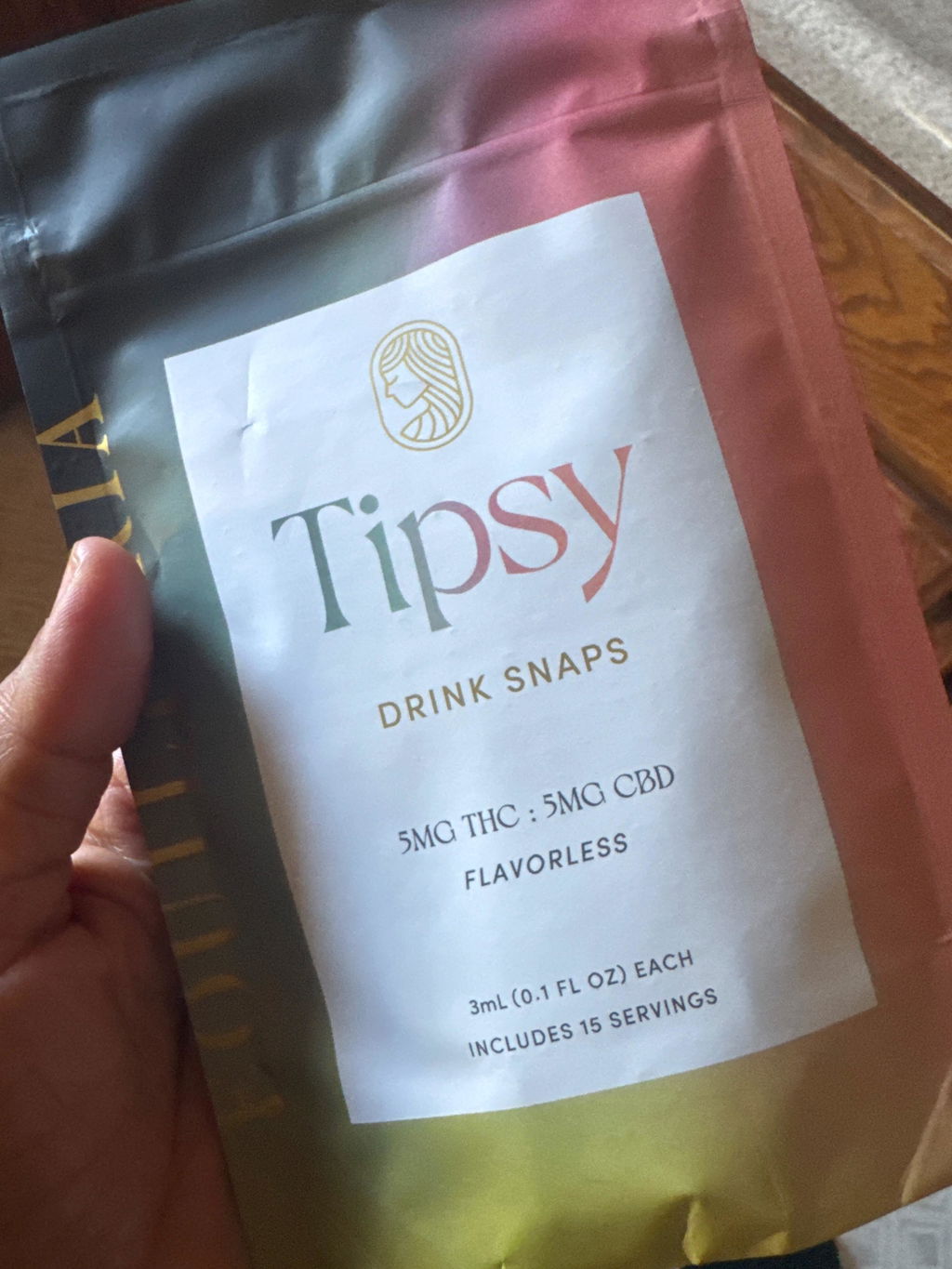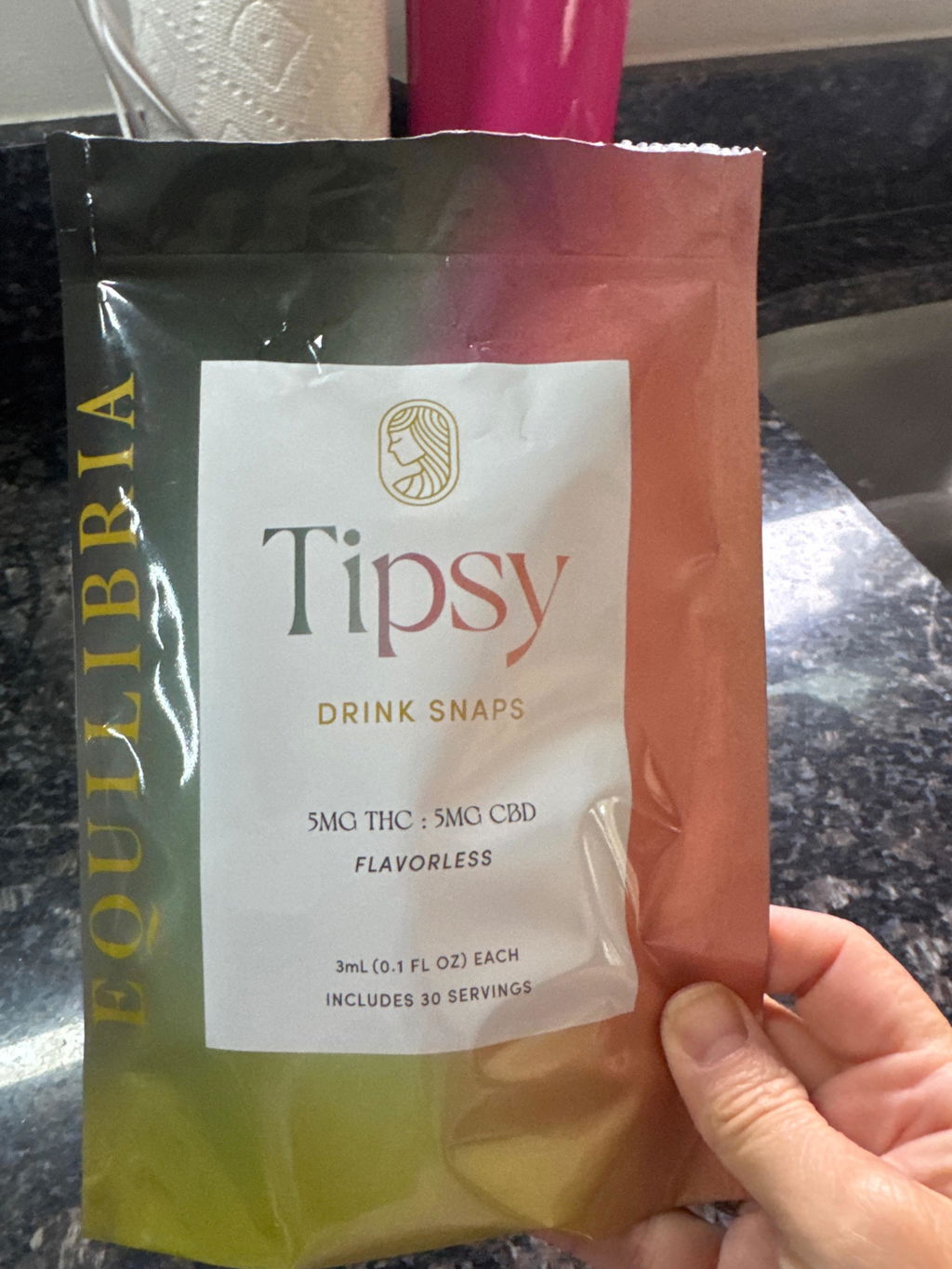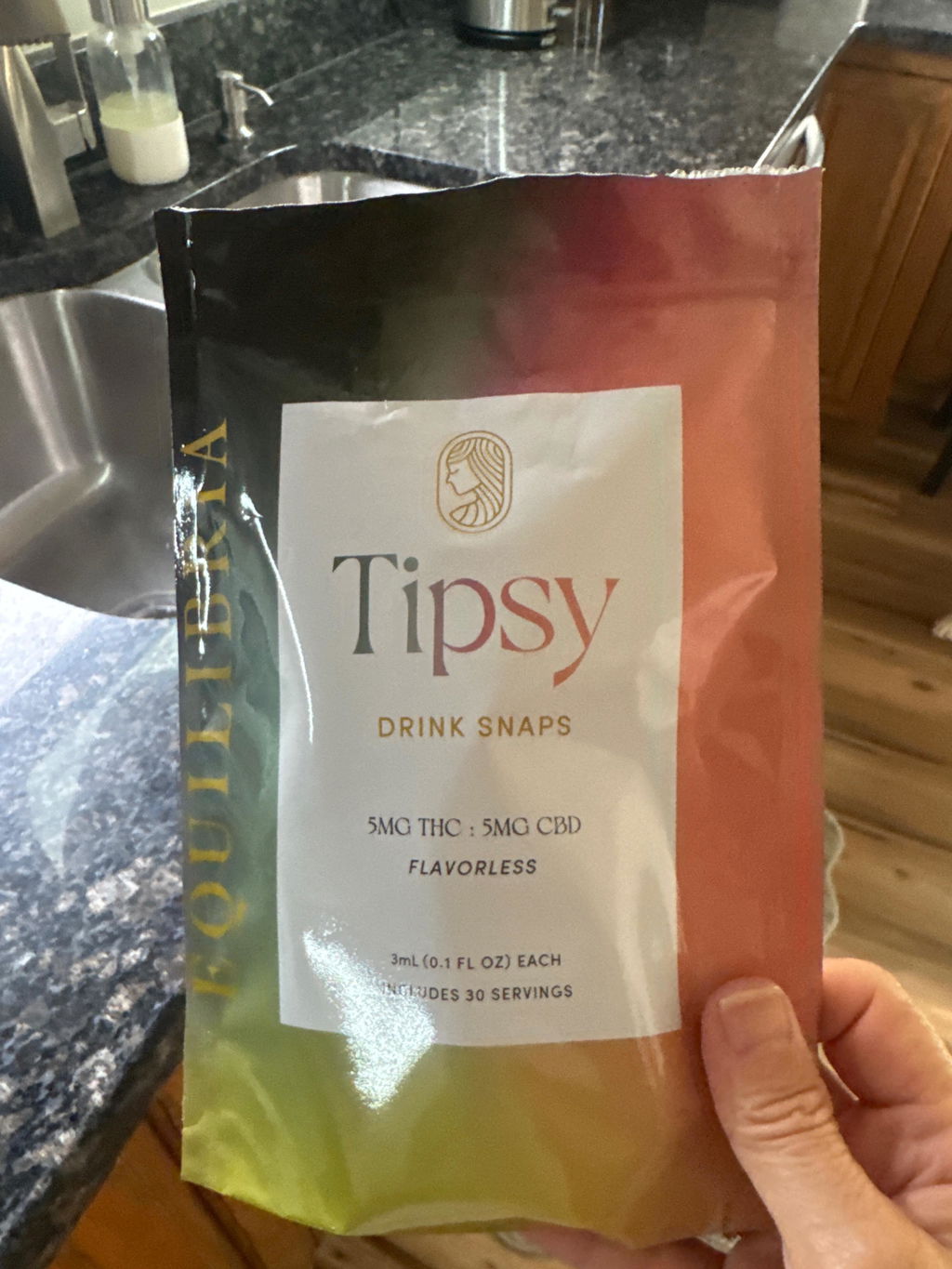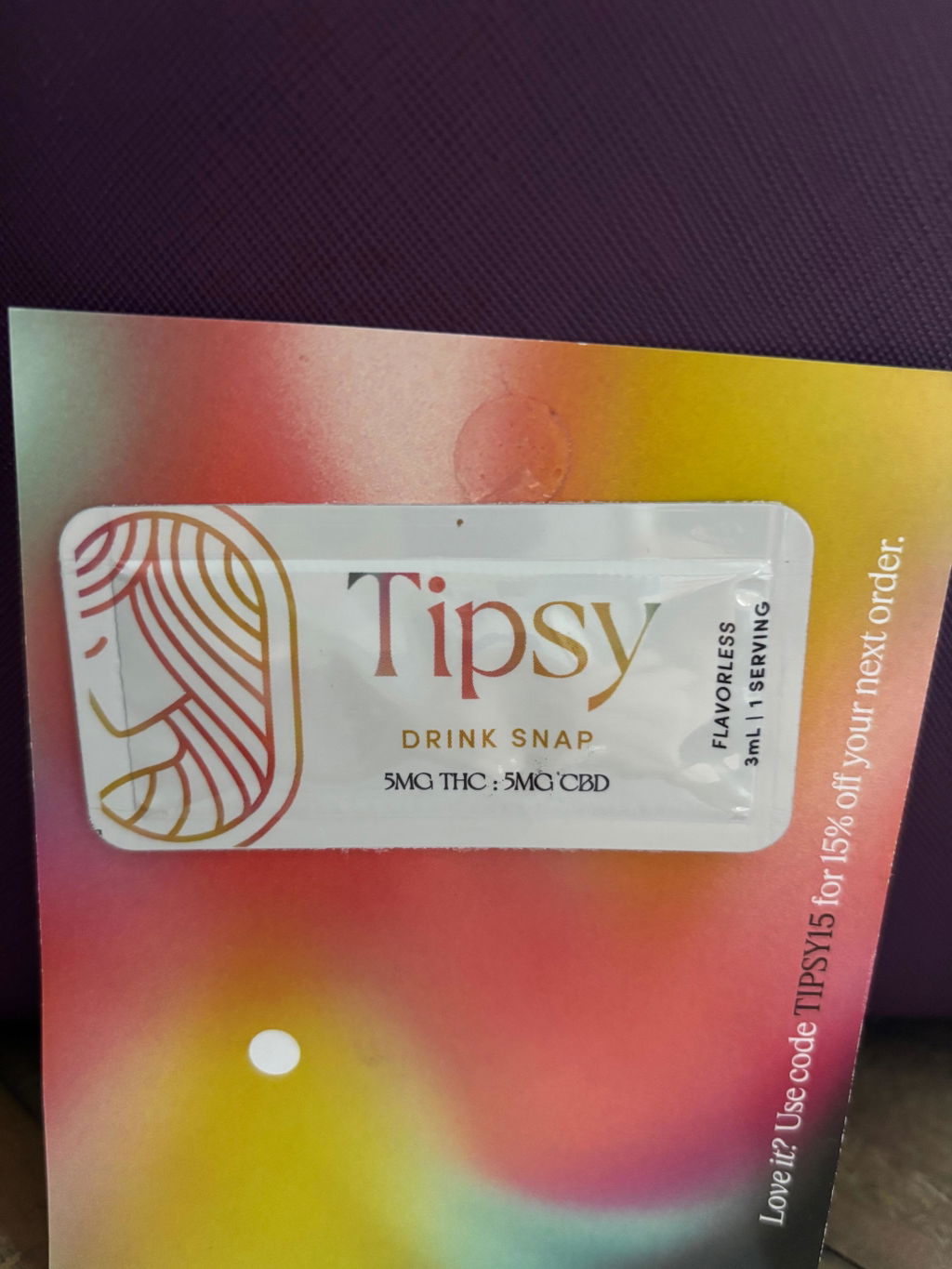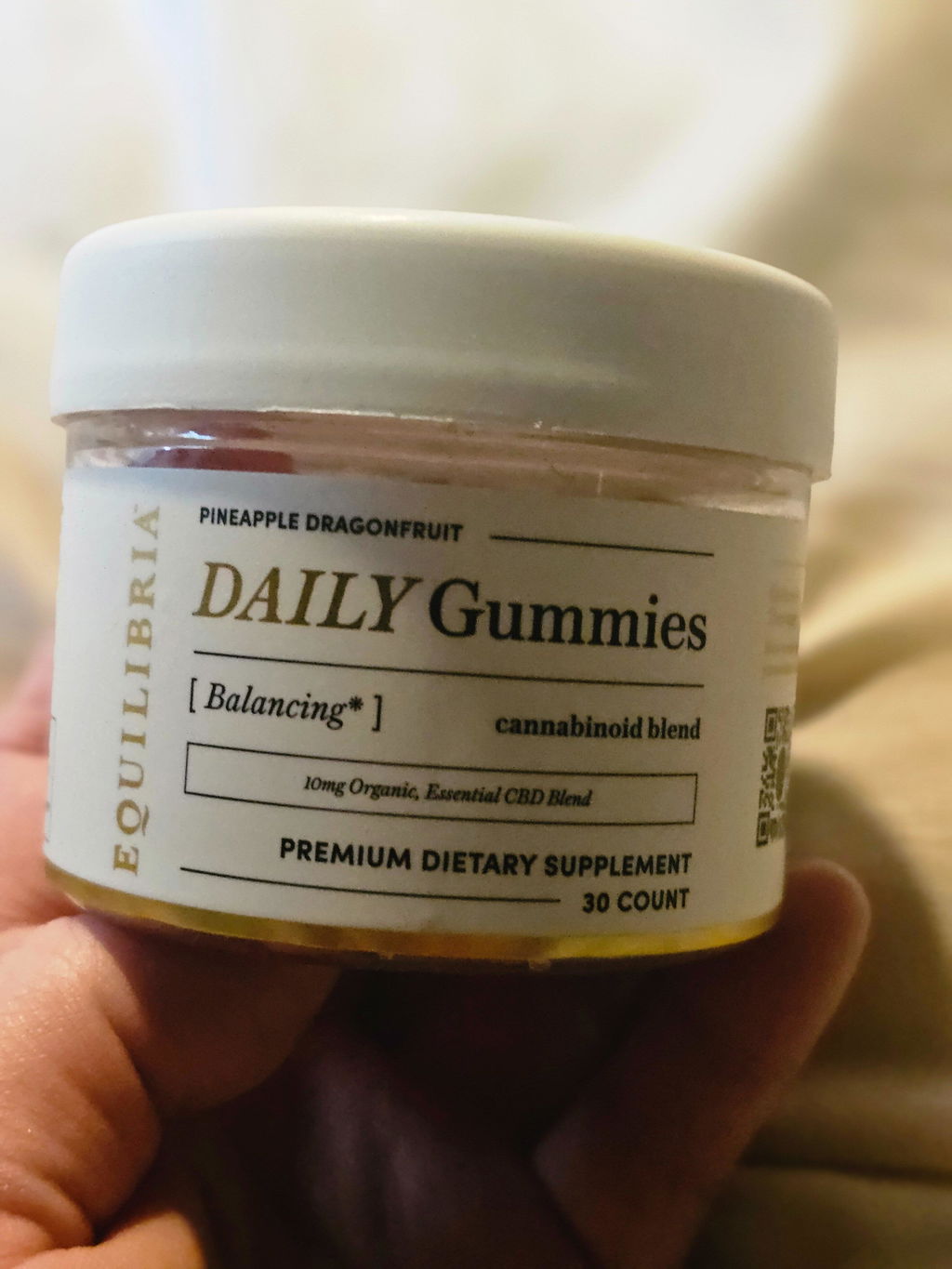

Every year, 4/20 arrives as a cultural exhale.
What began as a quiet countercultural signal has evolved into something far more personal—especially for women who found cannabis not through tradition, but through intention.
Not a party. A practice.
Not escape. Support.
For many, this plant entered quietly:
A dropper before bed.
A gummy instead of a second glass of wine.
A routine that finally felt aligned with their body.
But this year, 4/20 carries a different weight.
Because the access that made this evolution possible is no longer guaranteed.
What 4/20 Means Today: From Counterculture to Women’s Wellness
4/20 didn’t start as a celebration. It started as a signal—shared among people who believed this plant deserved legitimacy.
Over time, that signal became culture.
And eventually, it became care.
The 2018 Farm Bill marked a turning point—legalizing hemp and opening the door to CBD and low-dose THC products across the country.
That shift mattered.
It allowed women—many for the first time—to explore cannabis in a way that felt:
-
Measured
-
Accessible
-
Integrated into daily life
Hemp didn’t just expand access. It reshaped perception.
Why Hemp Access Is at Risk Right Now
Today, that progress is facing a critical inflection point.
Recent regulatory changes could significantly restrict hemp-derived cannabinoids—including full-spectrum CBD and low-dose THC products.
Proposed limits on total THC per product would make many existing formulations—especially those relying on full-spectrum benefits—effectively unavailable.
This isn’t just a technical adjustment.
It’s a shift that could:
-
Limit access in states without legal cannabis programs
-
Disrupt wellness routines millions rely on
-
Remove regulated options while demand still exists
And for many, hemp is the only legal pathway to cannabinoid support.
Why Women Stand to Lose the Most
This conversation isn’t theoretical. It’s personal.
Women have been at the center of the hemp wellness movement—not as a trend, but as a solution.
Across the country, women have turned to CBD and low-dose THC for:
-
Sleep support
-
Stress management
-
Hormonal transitions
-
Recovery and daily balance
Not as a last resort—but as a better-aligned one.
These products became part of real routines. Real nights of sleep. Real quality of life.
Restricting access doesn’t remove the need.
It removes an option that many have found to be:
-
More intentional than alcohol
-
More sustainable than short-term fixes
-
More aligned with how their bodies respond to stress and change
This is why hemp advocacy is not just a policy issue.
It’s a women’s health conversation.
Why Regulation—Not Restriction—Is the Path Forward
Let’s be clear: the answer isn’t no regulation.
It’s better regulation.
Because quality matters.
Responsible hemp access should look like:
-
Transparent third-party lab testing
-
Clear, consistent dosing
-
Age-gated access (21+)
-
Science-informed formulations
At Equilibria, these standards have always been the baseline—not the goal.
Because trust isn’t built through availability alone. It’s built through integrity.
Policies that remove access entirely don’t solve the problem of quality.
They remove the ability to choose better.
A Note From Our Founder
Nearly 500,000 women have trusted us with their sleep, stress, and daily care. We don’t take that lightly.
What began as a belief—that women deserve more intentional, biology-first support—has grown into something far bigger than we imagined.
To every woman who has invited us into her routine, thank you. We see you, and we’re here because of you.
This moment matters.
Access to this plant—and the standards that protect it—are not guaranteed. What happens next will shape the future of care so many women rely on.
We believe in a future where:
Women have safe, trusted access
Products meet higher, science-backed standards
This industry continues to move forward, not backward
If this plant has supported you, your voice matters right now.
How to Support Hemp Advocacy Right Now
Advocacy doesn’t have to be complicated—but it does have to happen.
Here’s where to start:
1. Stay informed
Follow organizations like the U.S. Hemp Roundtable for updates on legislation.
2. Share your experience
Personal stories help shift how this issue is understood.
3. Speak up
Contact elected officials and advocate for regulation—not restriction.
4. Take action now
Support policies that protect safe, transparent access.
👉 HELP BLOCK THE HEMP BAN
https://hempsupporter.com/
The Future of Hemp—and Women’s Wellness—Is Being Decided Now
4/20 has always been about more than a date.
It’s been about access. Evolution. Reframing what this plant means.
Today, it’s also about responsibility.
Because the women who found support through hemp didn’t arrive through culture—they arrived through trust.
And that trust is worth protecting.
FAQ: Hemp, 4/20, and What’s Changing
What is 4/20 and why does it matter today?
4/20 began as a cultural signal among cannabis communities, but today it reflects a broader shift toward normalized, intentional use. For many, it now represents a more thoughtful approach to cannabis—one that includes hemp-derived CBD and low-dose THC as part of a wellness routine, rather than a purely recreational experience.
What’s the difference between hemp and marijuana?
Hemp and marijuana are both forms of the cannabis plant. The key difference is THC content:
- Hemp contains less than 0.3% THC and is federally legal
- Marijuana contains higher levels of THC and is regulated at the state level
This distinction is what allows hemp-derived products to be more widely accessible across the U.S.
Why is access to hemp-derived CBD and low-dose THC changing?
New regulatory proposals are aiming to further limit how much THC can be present in hemp products. While intended to address safety concerns, these changes could unintentionally restrict access to many full-spectrum CBD and low-dose THC products that are currently available and widely used.
Why do full-spectrum hemp products matter?
Full-spectrum hemp products contain a range of cannabinoids—including trace amounts of THC—that work together in the body. This interaction, often called the “entourage effect,” helps support the body’s endocannabinoid system more holistically than isolated compounds alone.
How can I support responsible hemp access?
Advocacy can be simple and impactful. You can:
- Stay informed on evolving legislation
- Share your personal experience with hemp products
- Contact your local representatives
- Support organizations working toward safe, regulated access
Thoughtful regulation helps ensure products remain both accessible and held to high quality standards—which is what this movement is ultimately about.
For any questions or concerns on your cannabinoid journey, email our Dosage Team at wellness@myeq.com.