
Key Takeaways:
The science is clear—women aren't little men:
- 2x higher anxiety rates due to fundamental brain differences in stress processing
- Stress hormones stay elevated longer in women than men after stressful events
- 75% of caregivers are women, creating chronic tend-and-befriend activation
- Medical research excluded women until the 1990s, leaving dangerous healthcare gaps
- The endocannabinoid system (ECS) regulates mood, stress & hormones differently in women
The empowerment shift: Instead of "powering through" biology, work with it through:
- Nervous system regulation honoring women's unique stress responses
- Hormone and gut support addressing complex female physiology
- Targeted nutrition meeting cycle-specific and stress-recovery needs
This International Women’s Day celebrates achievements and rights—worthy causes honoring external accomplishments.
International Women’s Day 2026 themes continue this tradition, focusing on “Rights. Justice. Action” and “Give To Gain”—external achievements that measure women’s worth by their ability to perform and produce. But what if the most radical empowerment isn’t another call to “push through,” but to lean into our biology?
While traditional empowerment focuses on what women can achieve despite differences, science reveals sustainable wellness comes from working with our unique physiology, not against it. Women aren’t little men, and our wellness shouldn’t pretend we are.
The wellness industry built an empire on one-size-fits-all solutions, borrowed from male-dominated research, and applied universally. Yet mounting evidence shows women’s bodies operate fundamentally differently—from stress responses to recovery patterns. When we ignore biological realities for gender-neutral approaches, we’re not promoting equality; we’re promoting exhaustion.
This isn’t about limitation—it’s about liberation. Liberation from strategies that leave women feeling like failures when male-designed approaches don’t work. Liberation from powering through biological signals requesting support, not suppression.
The Biological Reality: Why Women’s Bodies Respond Differently
The numbers tell a sobering story about women’s unique physiology:
-
Women are twice as likely to experience anxiety disorders as men due to fundamental brain differences in stress processing
-
Women’s stress hormones stay elevated longer after stressful events , taking more time to return to baseline than men’s
-
75% of caregivers are women , spending 50% more time providing care than male caregivers
-
Women are more likely to be dismissed by healthcare , more likely to be single parents, and more likely to experience chronic illness
These aren’t social patterns—they’re biological realities.
The Stress Response Gender Gap
The differences begin at the most basic cellular level with stress hormone regulation. When faced with stressors, both men and women release cortisol—the body’s primary stress hormone. However, research reveals that women’s cortisol levels remain elevated significantly longer than men’s due to fundamental differences in how our brains process and terminate stress responses.
Research reveals women express higher levels of CRF1 receptors (which activate stress responses), while men have more CRF2 receptors (which terminate stress). This means women’s nervous systems are biologically designed to maintain stress activation longer.
This creates the “tend-and-befriend” response—when women encounter stress, bodies don’t just prepare for individual survival, they prepare for community care. Oxytocin surges, driving us to seek support and prioritize others’ wellbeing. Historically protective, but in modern society, this becomes chronic stress activation.
The cascade effect is profound: Sustained cortisol elevation suppresses progesterone production, increasing anxiety and sleep disruption. Poor sleep further elevates cortisol. Meanwhile, chronic stress disrupts estrogen metabolism, affecting mood and cognitive function.
Hormonal Complexity Men Don’t Experience
Men’s hormone levels remain relatively stable day-to-day. Women navigate monthly fluctuations affecting neurotransmitter production, sleep quality, and pain sensitivity —significant biological events impacting every body system.
Estrogen influences serotonin (mood regulation), while progesterone acts as natural anxiety reducer—but only when the body produces adequate levels, compromised under chronic stress. This hormonal complexity extends to gut health, immune function, and pain perception in ways male physiology simply doesn’t experience.
Your Missing Regulatory System: The Endocannabinoid Connection
Hidden within every woman’s body lies a sophisticated network most have never heard of—the endocannabinoid system (ECS) —crucial for regulating mood, stress, sleep, and pain. This master regulatory system maintains homeostasis, working like an internal thermostat for emotional and physical balance.
Why this matters for women: The ECS interacts directly with hormonal fluctuations unique to female biology. Research reveals significant ECS alterations in women experiencing depression and anxiety , suggesting dysfunction contributes to higher mood disorder rates.
Key ECS functions for women’s health:
-
Stress Response Modulation: Helps regulate cortisol release and recovery
-
Hormonal Integration: Estrogen influences endocannabinoid production and breakdown
-
Pain Management: Addresses chronic pain conditions disproportionately affecting women
-
Sleep Regulation: Controls circadian rhythms and wake-sleep transitions
-
Mood Stability: Supports neurotransmitter balance throughout hormonal cycles
The ECS addresses root causes rather than symptoms. While conventional approaches prescribe separate solutions for anxiety, sleep, hormones, and pain, supporting the ECS may regulate all these systems simultaneously.
The Healthcare Gender Gap: When Normal Isn’t Healthy
The healthcare bias against women creates dangerous gaps in understanding and treatment. Women face significantly longer diagnosis times than men presenting identical symptoms , often waiting years for answers.
This bias stems from medical research’s historical male focus—“bikini medicine” that treated women’s bodies like smaller men except for reproductive organs. Until the 1990s, medical research excluded women , assuming male findings applied universally.
Real-world consequences:
-
Cardiovascular symptoms in women dismissed as anxiety
-
Autoimmune conditions misdiagnosed for years
-
Pain reports attributed to emotional causes
-
Hormonal symptoms are accepted as “normal” without offering solutions
Just because symptoms are common doesn’t mean common solutions are optimal. The biological realities create opportunities for targeted support that dramatically improves quality of life—yet most providers lack training to address these complex interactions.
This creates urgent need for women to become educated advocates for their biology.
When the system fails, understanding your physiology becomes healthcare self-defense.
Balance Is Biology: The Three-Pillar Solution
Rather than chasing symptoms with isolated interventions, sustainable restoration happens when we support foundational networks regulating women’s complex physiology.
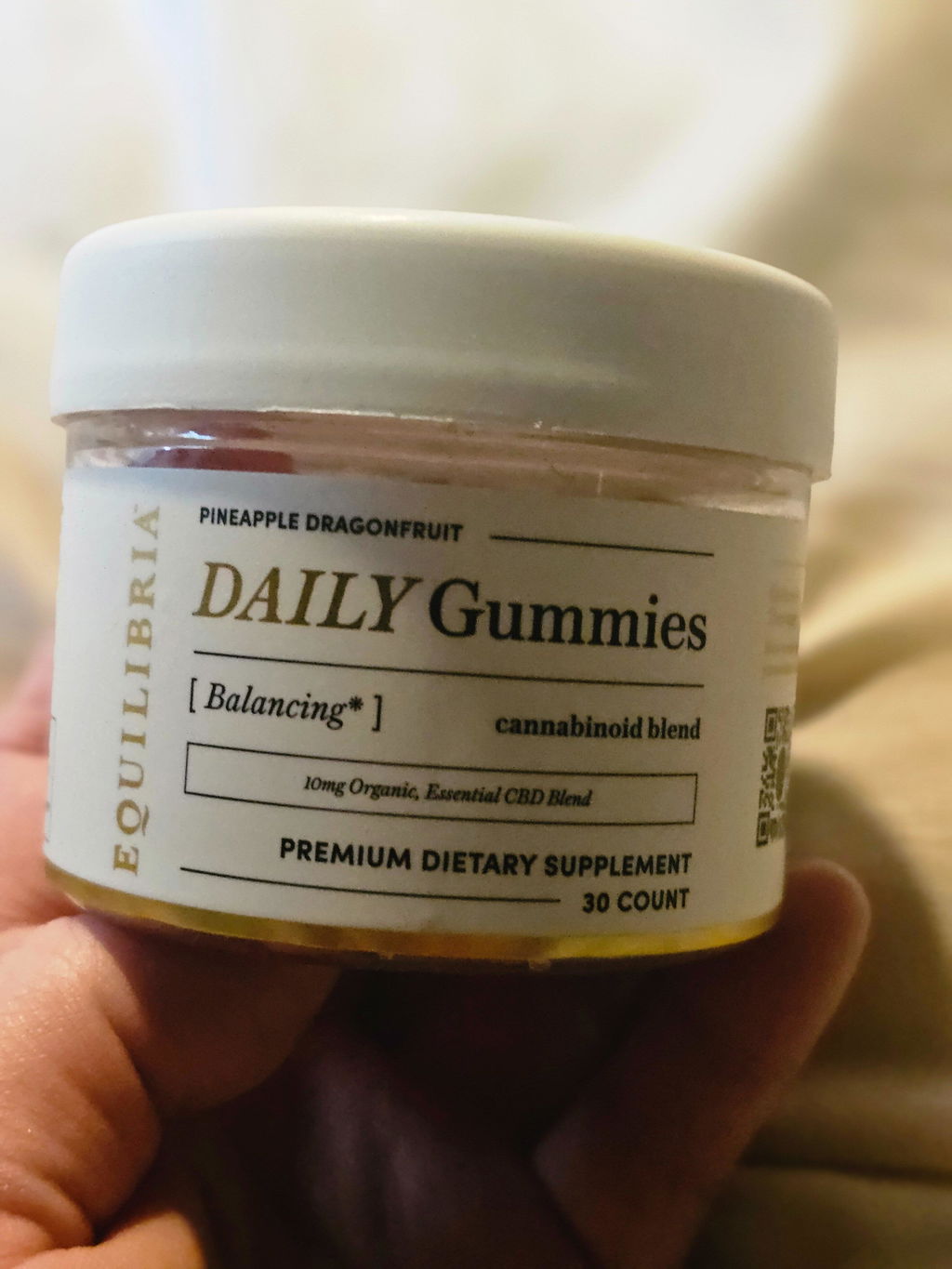
Equilibria’s science-backed approach recognizes women’s bodies as integrated ecosystems where nervous system regulation, hormonal balance, and nutritional support must work in harmony.
Pillar 1: Nervous System Regulation
The Problem: Women’s stress systems remain chronically activated due to CRF receptor differences and tend-and-befriend responses.
The Solution: ECS support through full-spectrum phyto-cannabinoid extracts, like CBD, provides natural nervous system regulation working with women’s biology. Unlike pharmaceuticals creating dependency, ECS optimization restores innate regulatory capacity while supporting healthy circadian rhythms.
Key Benefits:
-
Modulates stress hormone release naturally
-
Supports transition between activation and rest
-
Maintains caregiving ability without chronic depletion
-
Improves sleep quality and duration
Pillar 2: Hormone & Gut Support
The Problem: Hormonal fluctuations and gut health interact in complex ways traditional approaches address separately.
The Solution: Targeted support for the gut-hormone axis recognizing their intimate connection. The gut microbiome directly influences hormone metabolism , while hormonal changes affect digestive function.
Key Benefits:
-
Supports healthy hormone metabolism
-
Optimizes gut microbiome diversity
-
Addresses digestive symptoms correlating with cycles
-
Reduces systemic inflammation
Pillar 3: Foundational Nutrition
The Problem: Women’s nutritional needs fluctuate with cycles, life stages, and stress levels in ways standard recommendations ignore.
The Solution: Bioavailable nutrients addressing women’s unique requirements. Chronic caregiving responses increase demands for nutrients involved in neurotransmitter production and stress recovery.
Key Benefits:
-
Provides cycle-specific nutritional support
-
Addresses nutrient depletion from chronic stress
-
Supports hormone production and metabolism
-
Enhances absorption during hormonal fluctuations
The Integration Effect
When all three pillars work together, they create synergistic results beyond individual interventions. Regulated nervous systems support healthy hormones and gut function. Balanced hormones reduce nervous system stress. Proper nutrition provides the foundation for optimal function across all systems.
This integration aligns with “reclaiming your rhythm”— consistent support adapting to biological needs rather than rigid protocols ignoring natural fluctuations.
Reclaim Your Rhythm: Working With Your Biology
Sustainable wellness means honoring your biological design through small, consistent choices. This requires rejecting the myth that optimal health looks identical daily.
Cycle-Based Wellness
Your menstrual cycle affects energy, cognition, and stress resilience. Working with these patterns rather than fighting them:
-
Follicular Phase (Days 1-14): Rising estrogen supports energy and focus—ideal for challenging projects and social commitments
-
Luteal Phase (Days 15-28): Increased sensitivity and rest needs—biological wisdom encouraging restoration, not personal weakness
Practical Application: Schedule important meetings during energetic phases, protect rest time during sensitive periods. Adjust expectations to match biological reality.
Recognizing Nervous System Signals
Chronic tend-and-befriend activation signs:
-
Feeling responsible for others’ emotions
-
Unable to rest while others have unmet needs
-
Guilt when setting boundaries
-
Racing mind with others’ problems
Solution: Support nervous system cycling between activation and restoration through ECS optimization, breathing exercises, and boundary creation.
Daily Rhythms That Honor Biology
Morning check-ins: Notice energy levels before caregiving mode—do you need nervous system support or nutritional care?
Evening transitions: Signal shift from caregiving to restoration through journaling, gentle movement, or ECS support.
Consistency over complexity: Simple practices performed regularly trump elaborate routines attempted sporadically.
FAQ: Common Questions About Women’s Biology
Q: Why do I feel more anxious before my period?
A: Progesterone (natural anxiety reducer) drops before menstruation while estrogen fluctuations affect serotonin production—biological responses, not character flaws.
Q: Is it normal to feel exhausted despite sleeping?
A: Chronic stress dysregulates sleep quality and hormone production. “Normal” doesn’t mean optimal—targeted support can dramatically improve energy.
Q: Why don’t standard supplements work for me?
A: Most formulations are based on male studies. Women need cycle-specific, hormone-aware nutrition addressing unique physiological demands.
Q: How is the endocannabinoid system different from “geting high” on marijuana?
A: The ECS is your natural regulatory system. CBD-centered, hemp-derived support works with this system without psychoactive effects, providing balance rather than impairment.
Have more Dosage Questions? Email wellness@myeq.com!
Conclusion: The Future of Women’s Empowerment
This International Women’s Day, the most empowering choice is honoring our biology rather than working against it. True empowerment isn’t pretending we’re the same as men—it’s embracing what makes us different and demanding solutions matching our physiology.
The evidence is clear: Women’s stress systems, hormonal fluctuations, and regulatory networks require specialized understanding. When we ignore these realities for gender-neutral approaches, we’re not promoting equality—we’re promoting exhaustion disguised as empowerment.
Understanding women’s unique physiology opens doors to different empowerment. When we support our nervous systems appropriately, work with hormonal rhythms, and provide targeted nutrition, we don’t just survive—we thrive.
Women aren’t little men, and it’s time our wellness wasn’t either. The future isn’t about being stronger—it’s about being smarter. Honoring our tend-and-befriend response as biological gift, not weakness. Recognizing hormonal fluctuations as information about bodily needs. Supporting the complex systems making us uniquely capable of community-sustaining caregiving.
This is what reclaiming your rhythm means: Working with biology rather than against it, creating sustainable strength honoring our design.
Ready to Work With Your Biology?
The time for wellness approaches ignoring women’s physiology is over. You deserve solutions designed for your complex biological reality, not borrowed from someone else’s playbook.
Join 450K+ women discovering what happens when you honor your unique physiological needs through Equilibria’s science-backed, women-centered wellness approach; addressing nervous system regulation, hormone and gut support, and foundational nutrition that works with your biology.
Take Your Next Step
Not sure where to start? Book a 1:1 wellness support call with our experts who understand women’s unique biology and can help create your personalized restoration plan.
Because you deserve wellness solutions designed for your biology, not borrowed from someone else’s. This International Women’s Day, make the empowering choice to reclaim your rhythm and restore from the inside out.
Discover Your Personalized Wellness Plan →
Shop Women-Specific Formulations →
Sources:
-
National Institute of Mental Health: Anxiety Disorders Statistics
-
AARP: Caregiving Facts and Figures 2020
-
BMC Women’s Health: Endocannabinoid System Alterations in Women
-
American Psychological Association: Gender Differences in Stress Response