
You've probably tried one thing at a time. Magnesium before bed — helped a little. CBD — helped a little. But you're still waking at 3am, still lying there with a buzzing mind that won't let go.
That's not a placebo problem. It's a layering problem.
Sleep isn't controlled by a single switch. It's the result of multiple systems — neurological, hormonal, mineral — all arriving at the same place at roughly the same time. When one is depleted or dysregulated, the others can compensate only so much. What CBD does for sleep and what magnesium does for sleep are genuinely different things. Knowing that difference is the key to using both well.
Key Takeaways
- Magnesium supports GABA receptor activity and melatonin synthesis — two foundational steps in sleep initiation that CBD doesn't directly replicate
- CBD interacts with the endocannabinoid system (ECS) to modulate stress signaling and reduce the arousal state that keeps you awake
- CBN may add a third layer via partial CB1 agonism, supporting sleep continuity and reducing nighttime waking
- Elevated nighttime cortisol disrupts both layers — supporting the stress-sleep connection matters as much as the sleep ingredients themselves
- Stacking these ingredients addresses different parts of the sleep system, which is why the combination may outperform either one alone
What Magnesium Actually Does in Sleep
Magnesium is the fourth most abundant mineral in the human body and functions as a cofactor in over 300 enzymatic reactions — many of which are directly involved in nervous system regulation.
For sleep specifically, three mechanisms matter most.
GABA receptor co-activation. GABA (gamma-aminobutyric acid) is your primary inhibitory neurotransmitter — the signal that tells your nervous system to slow down. Magnesium acts as a positive modulator at GABA-A receptors, meaning it enhances GABA's ability to bind and exert its calming effect. Without adequate magnesium, this signaling is less efficient. This is part of why low magnesium is associated with difficulty falling asleep and restless, shallow sleep. why GABA matters for sleep
NMDA receptor blockade. The NMDA receptor is excitatory — it keeps the brain alert and responsive. Magnesium physically blocks the NMDA receptor channel at rest, preventing overactivation. When magnesium levels drop, that block is less complete, and you end up with a nervous system that's harder to quiet. This is the mechanism behind the characteristic "wired but tired" state that many women with low magnesium describe.
Melatonin synthesis cofactor. Magnesium is required for the enzymatic conversion of serotonin to melatonin. You can take melatonin directly — but if magnesium is deficient, your body's own circadian signaling is impaired at the source.
The most bioavailable form for these purposes is magnesium glycinate — the amino acid glycine (itself a calming neurotransmitter) bound to elemental magnesium. The glycine component contributes additional calming at glycine receptors in the brainstem, which is part of why glycinate outperforms magnesium oxide or citrate for sleep applications. Learn more about magnesium glycinate for sleep
What CBD Does in Sleep
CBD doesn't work the same way magnesium does. It doesn't sit at GABA receptors or assist melatonin synthesis. Instead, it interacts with the endocannabinoid system (ECS) — a regulatory network of receptors, endogenous ligands, and enzymes that modulates stress response, nervous system tone, and circadian rhythm.
The primary mechanism relevant to sleep is CBD's inhibition of FAAH (fatty acid amide hydrolase), the enzyme that breaks down anandamide. Anandamide is an endocannabinoid often associated with mood regulation and stress buffering. When FAAH activity is reduced, anandamide remains active longer. Higher anandamide tone is associated with reduced anxiety signaling, lower physiological arousal, and — critically — the transition from wakefulness toward sleep.
CBD may also interact with CB1 receptors in the hypothalamus and brainstem, regions involved in regulating sleep-wake cycles, though this mechanism is less fully characterized in human studies. Emerging evidence from animal models suggests that CBD may influence the body's internal clock by modulating cortisol release patterns — particularly nighttime cortisol, which is one of the most common physiological disruptors of sleep continuity in women under chronic stress.
What CBD is not doing: it is not sedating you in the way that antihistamines or benzodiazepines do. The experience — when it works — is more like reduced resistance to sleep. The hyperactivation quiets, the loop of thoughts loses urgency, and the nervous system becomes willing to let go. Learn more about how CBD stacking works
The Third Layer: CBN
CBN (cannabinol) is a minor cannabinoid that acts as a partial agonist at CB1 receptors — the same receptors that THC activates, but with a fraction of the potency. It doesn't produce intoxication at low doses. What it may do is reinforce the sedative component of sleep: CB1 receptor activation is associated with reduced wakefulness and longer sleep duration in animal models, and preliminary human research is beginning to explore CBN's role in sleep continuity specifically.
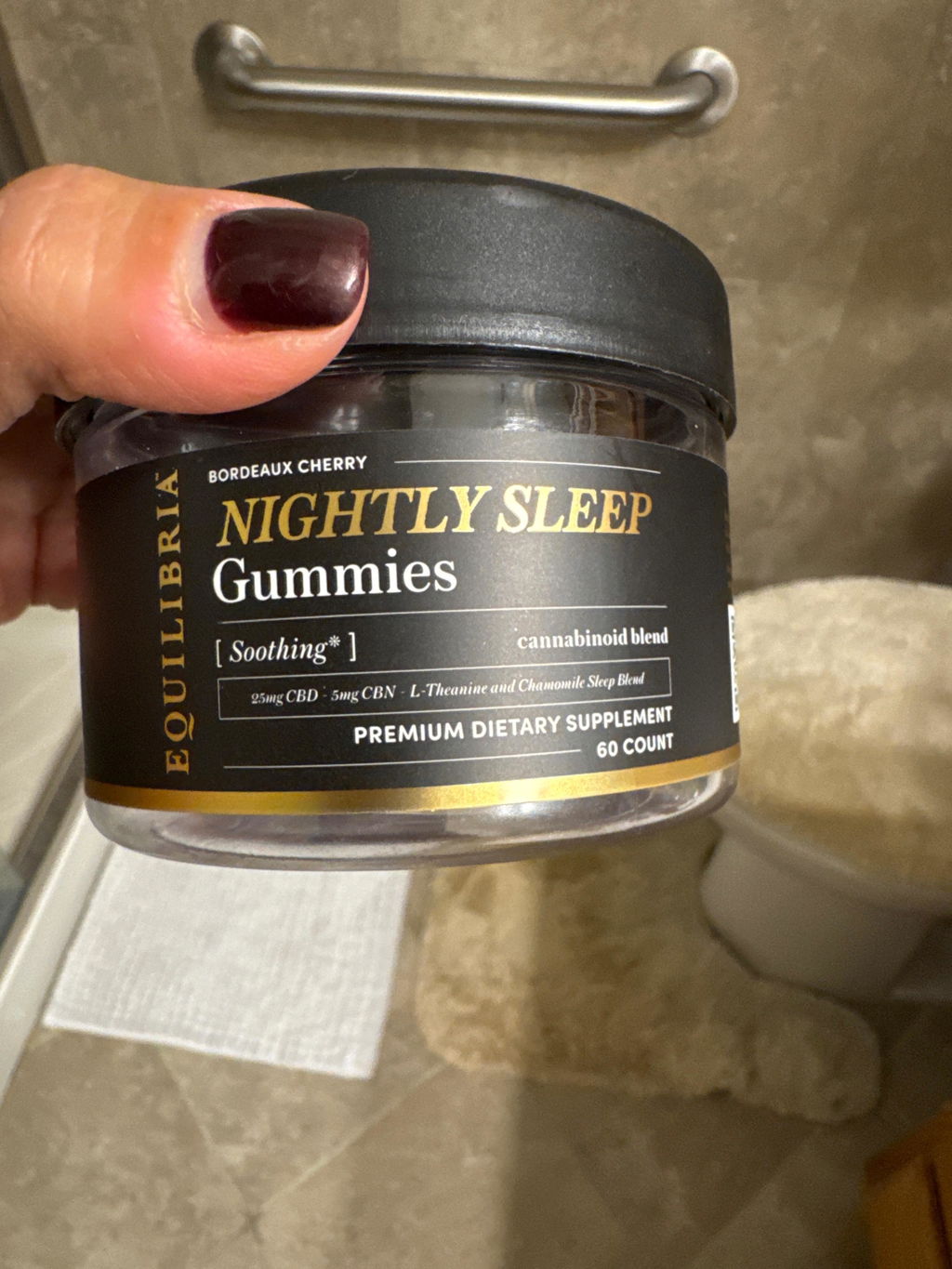
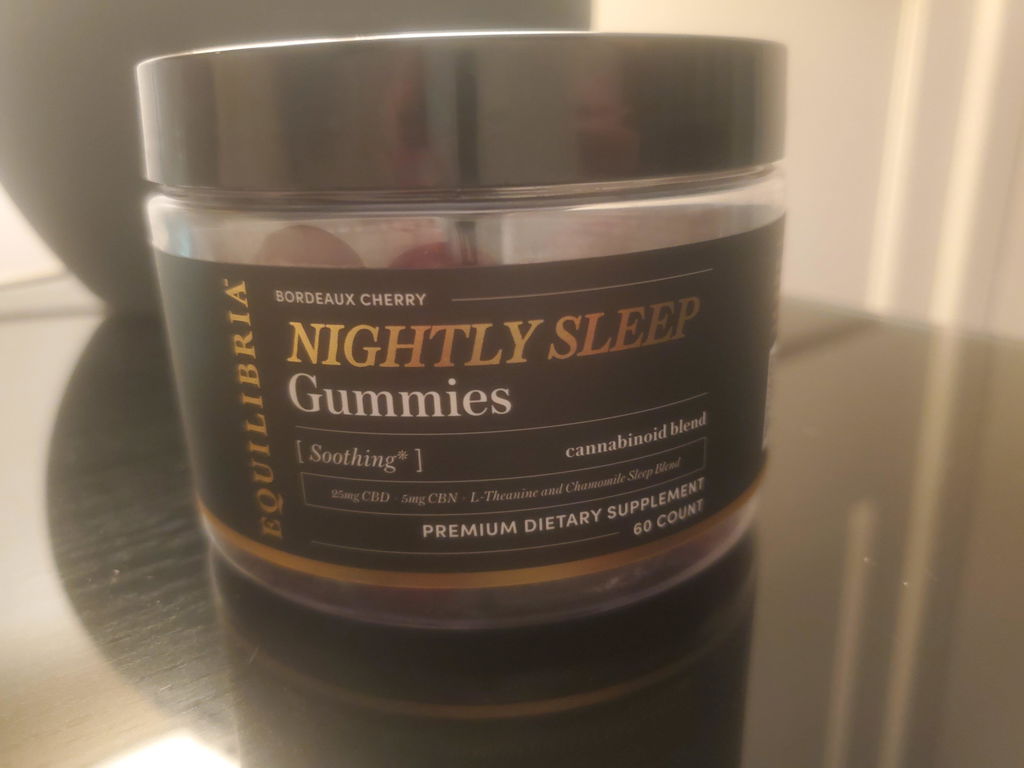
The practical role of CBN in a stacking protocol is less about falling asleep and more about staying asleep. If nighttime waking is your primary complaint, Nightly Sleep Gummies may be the piece worth exploring.
Why Nighttime Cortisol Disrupts Both Layers
Here's a pattern that matters more than it gets credit for: elevated cortisol in the late evening and early night hours can suppress GABA signaling, delay melatonin onset, and keep the nervous system in a low-grade alert state that both magnesium and CBD are working against.
Cortisol follows a diurnal rhythm — it should be at its lowest at night. But under chronic stress, HPA axis dysregulation can flatten that curve, leading to what researchers describe as "hypercortisolism at sleep onset." This isn't insomnia in the traditional sense. It's a stress system that hasn't received the signal to stand down.
This is why sleep support without stress support often underdelivers. Addressing the cortisol component — through adaptogenic support, stress-reduction practices, or ECS tone — creates a better environment for the mineral and cannabinoid layers to do their work.
How to Use Them Together
The research on combination protocols is still emerging, but the mechanistic rationale for combining magnesium and CBD is sound: they address non-overlapping pathways. Magnesium handles the mineral floor — the cofactor requirements and receptor modulation that sleep signaling depends on. CBD handles ECS tone and arousal reduction. CBN adds continuity support. Cortisol management holds the whole structure together.
A practical protocol:
- Deep Sleep Magnesium taken 1–2 hours before bed to support the mineral layer and melatonin conversion
- CBD (sublingual or fast-absorbing format) taken 30–45 minutes before bed to reduce arousal and quiet stress signaling
- CBN included as part of a nightly sleep formula or taken separately if nighttime waking is the dominant complaint
If you're looking for a complete starting point, the Sleep Reset Duo pairs our Magnesium Capsules and Nightly Gummy Sleep formulas together. And if sleep is a persistent and significant concern, working with a dosage specialist can help you calibrate timing, format, and amounts based on your specific symptoms and patterns.*
The Takeaway
Sleep is not one system. It's the intersection of your mineral status, your nervous system tone, your stress chemistry, and your body's circadian rhythm. Magnesium and CBD don't compete for the same mechanism — they complement each other because they address different points of failure in that system.
The mineral floor has to be there first. But once it is, the endocannabinoid layer can do what it does best: help your nervous system finally agree that it's time to rest.
Frequently Asked Questions
Can you take CBD and magnesium together for sleep? Yes. CBD and magnesium work on different parts of the sleep system — magnesium supports GABA receptor activity and melatonin synthesis, while CBD interacts with the endocannabinoid system to reduce arousal and stress signaling. Because they address different mechanisms, they are generally considered complementary. Starting with each individually and then combining allows you to understand how each works for you.
What does magnesium do for sleep? Magnesium supports sleep through three main mechanisms: it acts as a co-activator at GABA-A receptors (helping your nervous system quiet down), it blocks NMDA receptors that contribute to mental alertness, and it serves as a required cofactor for the enzyme that converts serotonin to melatonin. Magnesium glycinate is often recommended for sleep because the glycine component adds additional calming effects at glycine receptors in the brainstem.
How does CBD help with sleep? CBD may support sleep by interacting with the endocannabinoid system. Its primary proposed mechanism is inhibiting FAAH, an enzyme that breaks down anandamide — an endocannabinoid associated with stress buffering and reduced arousal. Higher anandamide tone is associated with easier transitions from wakefulness to sleep. CBD is not sedating in the way pharmaceutical sleep aids are; the effect is more a reduction in the resistance to sleep.
What is CBN and how does it differ from CBD for sleep? CBN (cannabinol) is a minor cannabinoid that acts as a partial agonist at CB1 receptors, the same receptors targeted by THC, but at a fraction of the potency and without intoxicating effects at low doses. While CBD primarily addresses arousal reduction and stress signaling, CBN may support sleep continuity — meaning it may be more relevant for people who fall asleep but wake during the night than for those who struggle to fall asleep in the first place.
Why do I wake up at 3am even when I take sleep supplements? Nighttime waking is often driven by elevated cortisol in the early morning hours, which signals the HPA axis to begin arousal. Under chronic stress, cortisol rhythms can become dysregulated, causing spikes earlier in the night or at habitual wake times. Sleep supplements that address GABA and ECS tone may not fully resolve waking if cortisol is the underlying driver. Addressing the stress-sleep connection alongside mineral and cannabinoid support often produces better results.
* These statements have not been evaluated by the Food and Drug Administration. This product is not intended to diagnose, treat, cure, or prevent any disease.