
Picture the brain as a highway with traffic moving in two directions: excitatory signals accelerating the system forward, and inhibitory signals applying the brakes. Under healthy conditions, both directions flow — you're engaged and alert when you need to be, and the brakes engage smoothly when it's time to slow down.
GABA is the brake.
Gamma-aminobutyric acid (GABA) is your brain's primary inhibitory neurotransmitter — the most abundant one in the central nervous system. Its core function is simple: it quiets overactivation. When GABA binds to its receptors, it reduces neuronal excitability, slowing the transmission of excitatory signals and creating the neurological conditions for calm, focused thought and restorative sleep.
When GABA is working well, transitions are smooth. You can shift from active to restful without getting stuck. When it's not — when GABA is depleted or its receptors are underresponsive — the highway starts to feel like rush hour at all hours. The brakes don't catch.
Key Takeaways:
- GABA is the brain's primary inhibitory neurotransmitter — responsible for quieting overactivation and enabling transitions from alertness to calm to sleep.
- GABA-A receptors enable fast inhibition and are critical for sleep initiation and slow-wave sleep. Benzodiazepines and alcohol target this pathway — which is why dependence and tolerance develop with prolonged use.
- Chronic stress depletes GABA by dampening GABAergic signaling efficacy over time through sustained cortisol elevation.
- Low GABA symptoms include racing thoughts at bedtime, fragmented sleep, physical tension, heightened reactivity, and the "wired but exhausted" feeling.
- Magnesium glycinate is foundational — GABA receptors require magnesium to function. Without it, even adequate GABA cannot bind effectively.
- L-theanine, lemon balm, and passionflower support GABA through distinct mechanisms: L-theanine promotes GABA activity, lemon balm inhibits GABA breakdown, passionflower may support GABA levels through GABA-A receptor interaction (primarily preclinical evidence).
- Full-spectrum CBD modulates the endocannabinoid system, which regulates GABA and glutamate release — helping maintain the excitatory/inhibitory balance that chronic stress disrupts.
What Does GABA Actually Do in the Brain?
GABA operates through two primary receptor types.
GABA-A receptors are the fast-acting branch — ion channels that, when activated by GABA, allow negatively charged chloride ions to flow into the neuron, rapidly reducing its ability to fire. This is the mechanism targeted by benzodiazepines and alcohol — both of which enhance GABA-A activity, which is why they produce short-term sedation. It's also why long-term use creates tolerance: the receptors downregulate in response to artificial amplification.
GABA-B receptors are the slower, more sustained branch — G-protein coupled receptors that modulate neurotransmitter release more broadly, influencing how excitatory signals propagate across longer timescales.
For sleep specifically, GABA-A activity in the brainstem and thalamus is what enables the transition from wakefulness into sleep stages — particularly the shift into slow-wave (deep) sleep. Without adequate GABA signaling, sleep initiation is harder, sleep stages are shallower, and the brain remains partially activated through the night.
What Depletes GABA — and Why Chronic Stress Is the Biggest Factor?
Several factors reduce GABA availability or receptor responsiveness over time.
Chronic stress is the most significant. Sustained cortisol elevation reduces GABAergic signaling efficacy. The HPA axis and the GABAergic system are in constant dialogue — when cortisol stays elevated, it progressively dampens the inhibitory tone that GABA provides. This is a central reason why women under chronic stress often find sleep disruption and anxiety compounding together over months: one system's degradation accelerates the other's.
Poor sleep reduces GABA synthesis and receptor sensitivity, creating a feedback loop: low GABA disrupts sleep, and poor sleep further depletes GABA.
Nutritional gaps also matter. GABA synthesis depends on glutamate (its precursor) and the enzyme glutamate decarboxylase, which requires vitamin B6 as a co-factor. Magnesium is required for GABA receptor function. Deficiencies in either compromise the system at the foundation.
Alcohol and benzodiazepine use artificially amplify GABA-A activity, causing receptor downregulation over time. Discontinuation leaves the inhibitory system weaker than before — a rebound that manifests as anxiety, insomnia, and nervous system hyperactivity.
What Does Low GABA Feel Like?
You may not recognize low GABA as a neurotransmitter issue — the symptoms look a lot like stress and anxiety in their everyday form:
- Difficulty "turning off" the mind at night
- Light or fragmented sleep, frequent waking
- Physical tension — jaw clenching, tight shoulders, restless legs
- Racing thoughts that feel impossible to slow down
- Heightened reactivity to stressors that previously felt manageable
- A pervasive feeling of being "wired but exhausted"
These symptoms exist on a spectrum, and most women experiencing chronic stress will recognize several of them. The challenge is that they're typically attributed to stress itself — rather than to the specific neurotransmitter depletion that stress is driving.
How Do You Support GABA Naturally?
Magnesium is the most foundational GABA support. Magnesium is required for GABA receptor function — without adequate magnesium, GABA can't bind and act efficiently. Magnesium glycinate is the preferred form for neurological support: high bioavailability, minimal gut effect, with the chelated glycine adding complementary calming activity in the brainstem. Equilibria's Deep Sleep Magnesium delivers 275mg elemental magnesium glycinate per serving, designed as the mineral foundation for this system.*
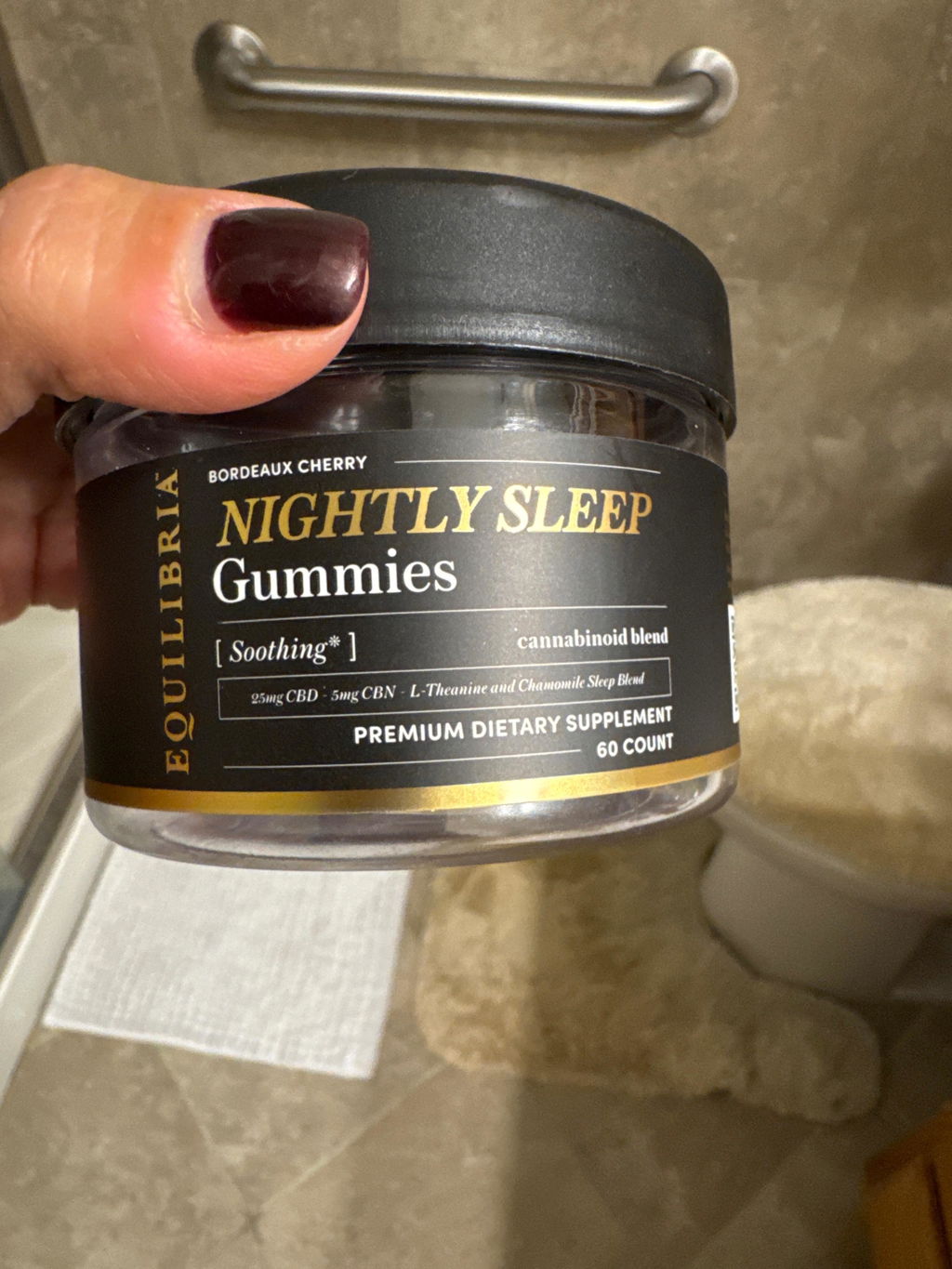
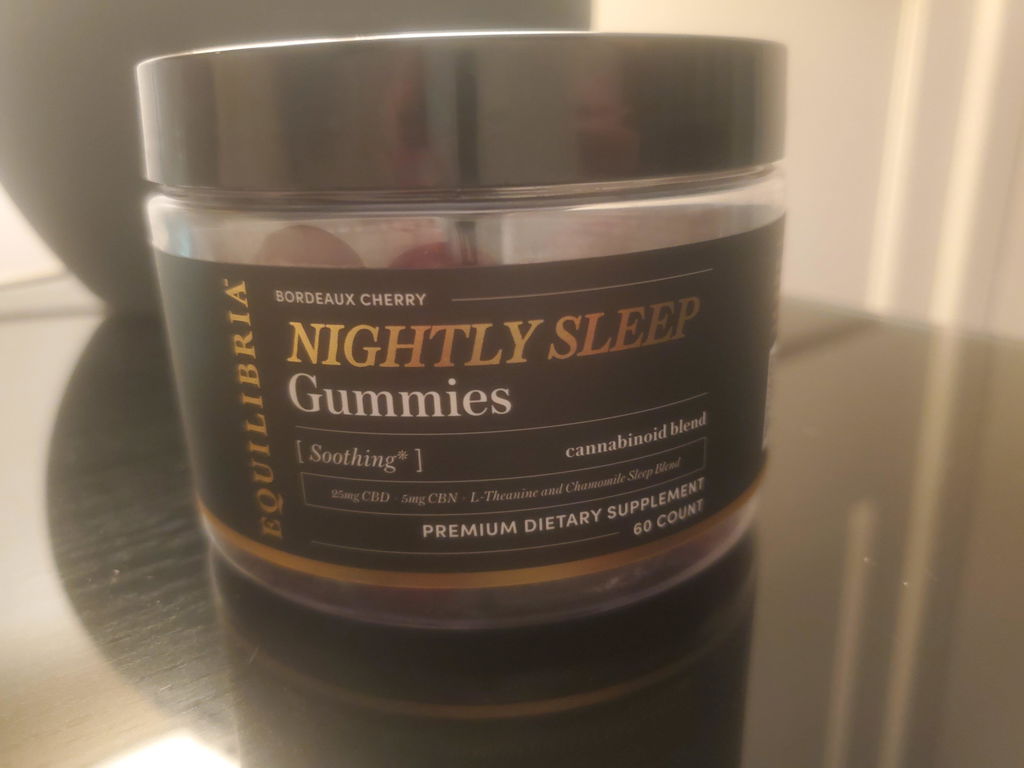
L-theanine promotes GABA activity while simultaneously increasing alpha brain wave frequency — creating calm alertness during the day and easing the transition to sleep at night. Equilibria's Daily Stress Gummies deliver 200mg L-theanine per serving (daytime), while the CBD Nightly Sleep Gummies include 25mg alongside CBD and CBN for the specific context of nighttime support.*
Lemon balm and passionflower address GABA through different mechanisms. Lemon balm (rich in rosmarinic acid) inhibits GABA-T, the enzyme that breaks GABA down — effectively preserving more GABA in the synapse. Passionflower has been shown in preclinical models to increase GABA levels in the brain, with emerging human evidence suggesting similar GABAergic activity. Both are included in Equilibria's Daily Stress Gummies alongside Ashwagandha and L-theanine for multi-mechanism daytime GABA support.*
Full-spectrum CBD interacts with the endocannabinoid system, which modulates GABA and glutamate release across multiple brain regions. By influencing the ECS, CBD may help maintain the excitatory/inhibitory balance that GABA is responsible for — particularly relevant under chronic stress when that balance is consistently pushed toward excitation.
The Bigger Picture
GABA isn't a niche neurotransmitter. It's the foundational control mechanism for how calm, present, and rested your nervous system can become — and chronic stress erodes it steadily. Understanding GABA means understanding why stress doesn't just feel bad in the moment: it structurally compromises the brain's ability to recover.
Supporting GABA naturally — through magnesium, targeted botanicals, L-theanine, and CBD — isn't about sedation. It's about restoring the neurological infrastructure that makes genuine rest, focus, and calm physiologically possible.
If you're not sure where to start or which combination is right for your specific stress pattern, Equilibria's 1:1 Wellness Coaches can help you build a protocol grounded in your individual history and goals.
Frequently Asked Questions
What is GABA and what does it do? GABA (gamma-aminobutyric acid) is the brain's primary inhibitory neurotransmitter — the neurochemical responsible for quieting overactivation and slowing excitatory signals. When GABA binds to its receptors, it reduces neuronal firing, creating the conditions for calm, focused thought and restorative sleep. It's the brain's primary "off switch," and it's essential for smooth transitions between alertness and rest.
What does low GABA feel like? Low GABA typically presents as racing thoughts at bedtime, fragmented or light sleep with frequent waking, physical tension (jaw clenching, tight shoulders, restless legs), heightened reactivity to stressors, and a persistent "wired but exhausted" feeling. These symptoms are often attributed to stress itself — but stress is frequently the driver of the GABA depletion producing them.
What is the best way to increase GABA naturally? The most evidence-supported approaches work through multiple mechanisms: magnesium glycinate restores GABA receptor function at the mineral level; L-theanine promotes GABA activity and alpha brain wave frequency; lemon balm inhibits GABA-T (the enzyme that breaks GABA down); and passionflower directly increases GABA levels. Full-spectrum CBD may also support GABA/glutamate balance through the endocannabinoid system.
Does magnesium help with GABA? Yes — magnesium is required for GABA receptor function. Without adequate magnesium, GABA receptors are less responsive, meaning the brain's inhibitory system underperforms even when GABA is present. Magnesium glycinate is the preferred form for this purpose: it uses amino acid transport pathways for efficient absorption and reaches the central nervous system more reliably than magnesium oxide or citrate.
How are GABA and sleep connected? GABA-A receptor activity in the brainstem and thalamus directly enables the transition from wakefulness into sleep — particularly into slow-wave (deep) sleep. When GABA signaling is insufficient, sleep initiation is harder, sleep stages are shallower, and the brain stays partially activated through the night. This is the neurological mechanism behind chronic stress-related sleep disruption: it's not just that stress keeps you awake — it depletes the neurotransmitter system that allows your brain to fully power down.