
Summer was supposed to be the easy part. The season people look forward to all year — longer days, warmer weather, a packed calendar of things you actually want to do. And yet, by mid-July, a particular kind of exhaustion sets in. Not the productive tired of a full day’s work, but something deeper — a foggier, slower kind that doesn’t quite make sense when you’ve also been having fun.
If that resonates, here’s something worth knowing: the feeling isn’t a failure to enjoy summer correctly. It’s a predictable physiological response to a season that is, quietly, one of the most demanding on the nervous system. Three separate biological forces converge in summer that most wellness conversations never name. None of them are about being bad at relaxing.
Key Takeaways
- Summer activates multiple physiological stress pathways simultaneously — heat, extended daylight, and social demands each strain the nervous system in distinct ways
- Heat is a recognized HPA axis activator: research shows the same stress-response system that processes emotional stress also responds to elevated temperature
- Longer summer days compress the body’s natural melatonin window by up to two hours, shifting the timing of sleep and cortisol hormones
- A packed social calendar contributes to allostatic load — the cumulative physiological wear of ongoing, unrecovered demands — even when those demands are enjoyable
- Vacations reduce stress, but the effects fade quickly; consistent daily recovery support matters more than periodic time off
Heat Is a Physiological Stressor — Not Just Discomfort
Your body’s stress response system — the HPA axis — doesn’t read the reason for a stressor. It reads the demand.
The same hormonal cascade that produces cortisol in response to a difficult conversation also responds to elevated temperature. Both register as something the body needs to adapt to. Both activate the stress response.
Research confirms that heat exposure activates the HPA axis in patterns similar to psychological stressors. The practical effect at ordinary summer temperatures isn’t a dramatic cortisol spike. It’s something more insidious: a continuous, background addition to the body’s total load.
What heat actually does:
- Places a constant, low-grade demand on the same stress system also managing work, relationships, and a packed schedule
- Requires real regulatory energy to maintain core temperature — energy that isn’t available for other functions
- Means the nervous system rarely gets a genuine break, even on days that look relaxed from the outside
The key point isn’t that summer heat spikes cortisol dramatically. It’s that it’s always there — quietly adding to the running total of what the body is managing.
Longer Days Are Shifting Your Sleep Hormones
Here’s a simple fact about your biology: melatonin production depends on darkness.
Not on the clock. Not on how tired you feel. On whether your brain has registered genuine darkness — which triggers the hormonal signal that prepares the body for sleep.
In summer, that signal gets delayed. Research shows that longer days compress the body’s natural melatonin window — in one study at a northern latitude, the extended summer photoperiod shortened the nighttime melatonin signal by approximately two hours compared to winter. Separate research confirms that long summer days phase-advance both cortisol and melatonin rhythms — shifting the timing of the core hormones that anchor the sleep-wake cycle.
What this creates in practice:
- Evening light keeps the brain in “daytime mode” longer than the clock suggests
- Melatonin onset is delayed — you feel genuinely awake when your body should be preparing for sleep
- You fall asleep later, and wake with cortisol already rising earlier than expected
- The whole rhythm shifts — gradually, over weeks — as days lengthen through spring into summer
This isn’t insomnia. It’s a seasonal circadian shift, and it happens slowly enough that most people don’t notice until they realize they slept better in January.
Your Social Calendar Is Also a Nervous System Load
Weddings. Reunions. Family trips. Kids’ activities. Outdoor events. Summer condenses an enormous volume of social demand into a short window — and social demands, even enjoyable ones, are not neurologically free.
Enjoyable experiences still have a physiological cost. The nervous system doesn’t evaluate each event by how much fun you had — it tracks the running total.
Research on allostatic load — the cumulative physiological wear of sustained, unrecovered stress — shows that social stressors activate the HPA axis and the sympathetic nervous system in ways that compound over time, regardless of whether those demands feel positive or negative.
What makes summer distinctive is the gap between what you expect and what your body is actually experiencing:
- Each event, individually, can feel genuinely good
- But the body doesn’t process events in isolation — it accumulates them
- When recovery doesn’t keep pace with output, allostatic load builds: the biological cost of sustained, unrecovered demands
- By mid-July, many women aren’t tired from last weekend — they’re carrying the weight of the whole season
Even vacations are more complicated than they look. Research on short vacation RCTs confirms that time off meaningfully reduces stress — but those effects largely fade within weeks of returning to regular life. Pre-vacation stress (logistics, work handoffs, planning) is itself a documented stressor.
Vacation is real recovery. It’s just not a substitute for consistent support in between.
What This Means for Your Summer Routine
Understanding summer as a multi-stressor season changes what makes sense to reach for. The goal isn’t to opt out of summer — it’s to give the nervous system enough support that it can actually meet the season, rather than just endure it.
Three evidence-grounded shifts:
- Protect the wind-down window. Summer evening light is a biological signal, not just an inconvenience. Dimming indoor lights and reducing screens earlier than feels necessary helps cue the brain toward darkness — and toward melatonin. The body isn’t broken; it’s responding to cues.
- Build recovery into the social calendar. One low-demand evening between high-social events isn’t being antisocial — it’s the physiological reset the nervous system needs to clear accumulated allostatic load before the next demand arrives.
- Support the stress response system consistently, not just reactively. When the HPA axis is managing heat, social demands, and a compressed sleep window at the same time, consistent daily support matters more, not less.
Here’s where that shows up in practice:
For daily, cumulative support:
Daily Stress Gummies* — ashwagandha working upstream on the HPA axis over weeks, while L-theanine, lemon balm, and passionflower support the GABA system in the near-term. Formulated for exactly this kind of ongoing, multi-stressor season.
For acute high-load moments:
Rapid Calming Melts* — fast-acting sublingual support without sedation, for the moments summer reliably creates: a packed travel day, a loud gathering, the pre-event anxiety that arrives before the fun does.
For the summer sleep challenge:
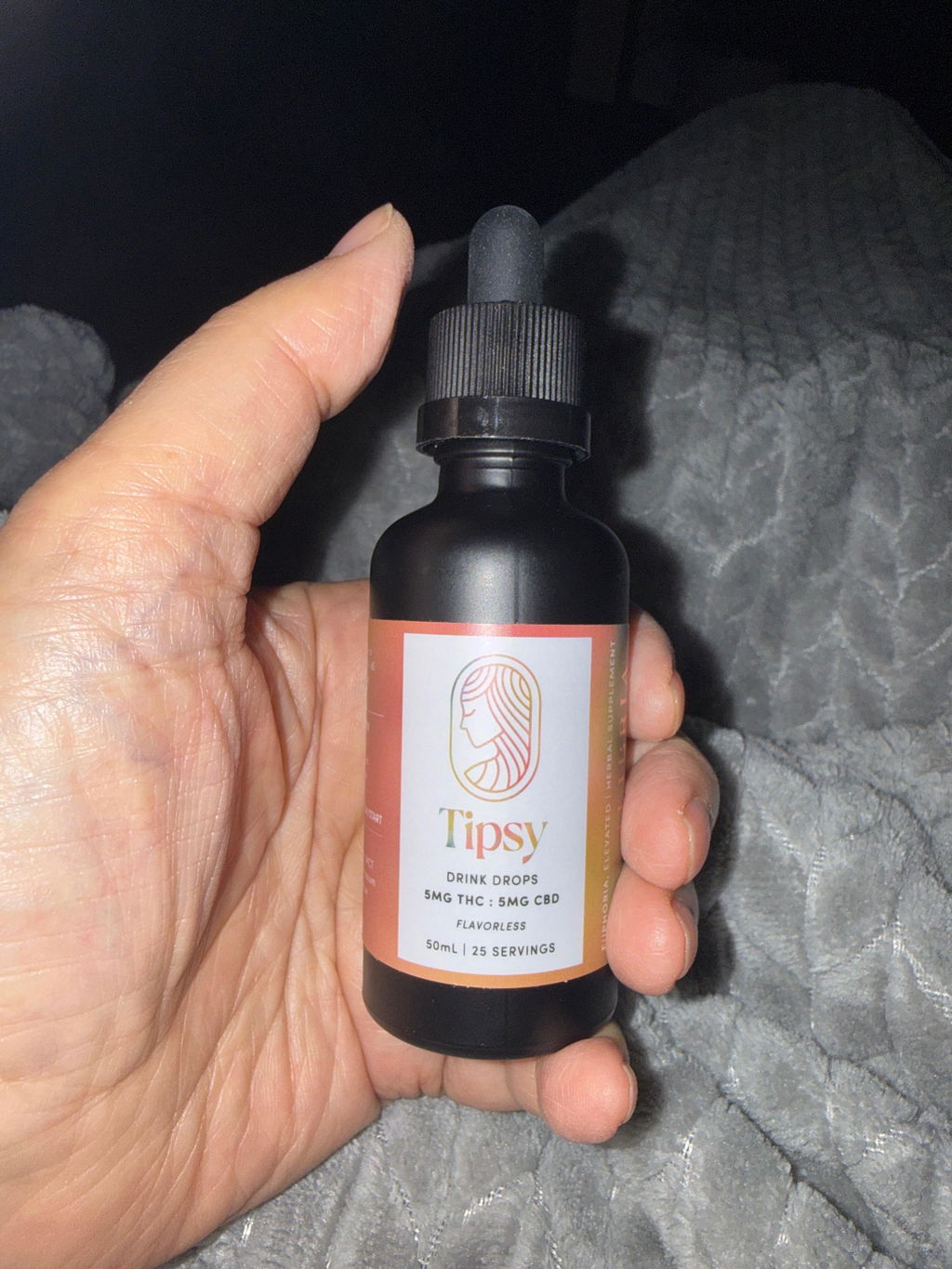
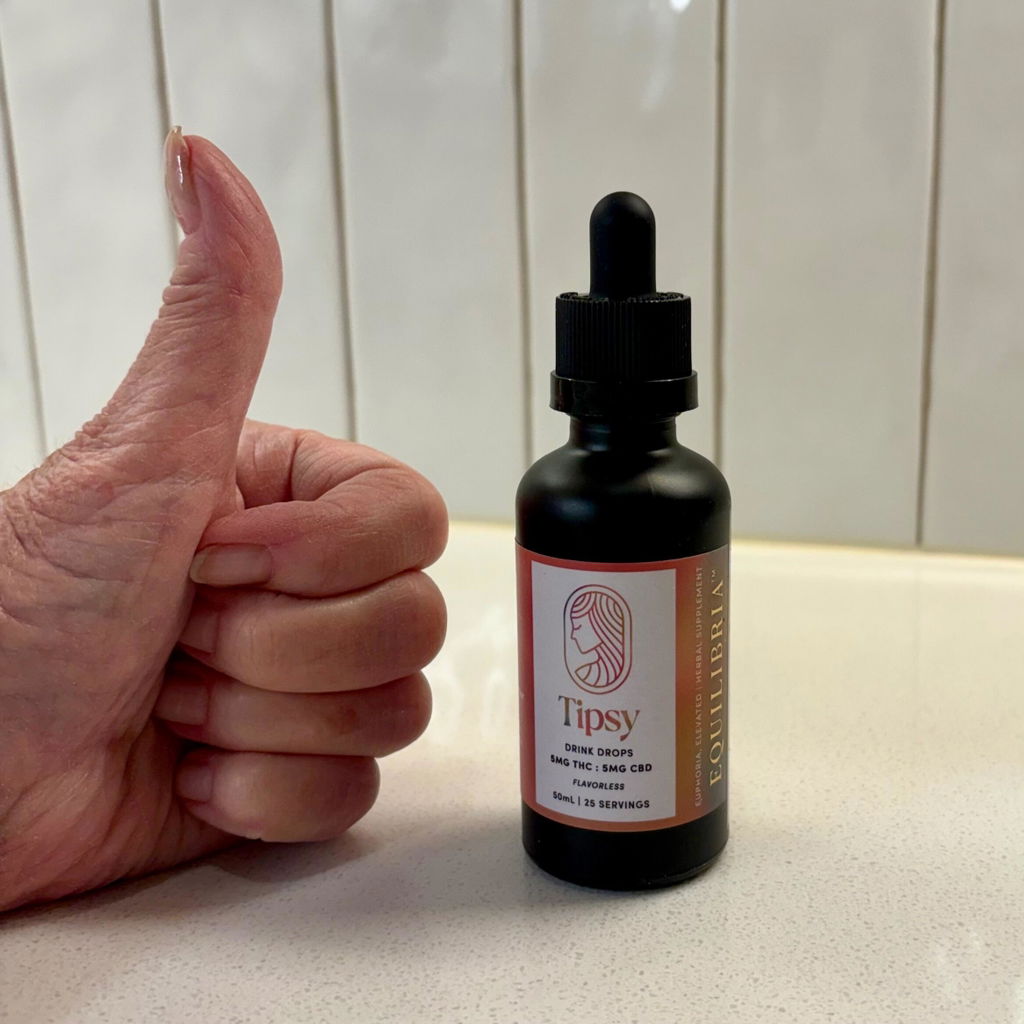
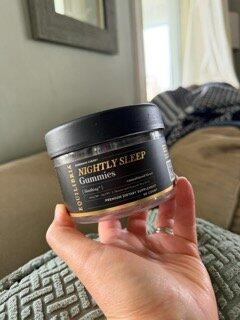
CBD Nightly Sleep Gummies* + Deep Sleep Magnesium* — supporting the sleep transition the body is already trying to make, even when the light outside says otherwise.
For a deeper look at how to structure daily support — morning, afternoon, and night — the CBD Wellness Routine guide walks through each window and what to pair with it. For a protocol built around your specific summer pattern, our Certified Wellness Coaches* can help you build one.
You’re not failing at summer. Your nervous system is doing exactly what it’s designed to do — adapting to a season that is genuinely more demanding than the calendar suggests.
Frequently Asked Questions
Why is summer so stressful even when I’m having fun?
Summer activates multiple physiological stress pathways at once — heat stimulates the body’s stress response system, extended daylight delays sleep hormone production, and a packed social calendar adds cumulative nervous system demand. Enjoyable experiences still carry a physiological cost. The body doesn’t distinguish “good stress” from “bad stress” — it registers demand and responds accordingly. For many women, the combination makes summer quietly exhausting even when it looks wonderful from the outside.
Does heat really affect stress hormones?
Research shows that heat activates the same biological stress response system — the HPA axis — that processes emotional and psychological stress. While most controlled studies use significant heat exposures, the underlying mechanism is well-established: elevated temperature is a physiological demand, and the body responds to it similarly to other stressors. At ordinary summer temperatures, the effect on cortisol is likely modest, but it adds to the body’s total stress load — especially when combined with social demands and disrupted sleep.
Can summer daylight hours affect sleep?
Yes — research shows that the longer days of summer compress the body’s natural melatonin window, shifting the hormonal signal that prepares the brain for sleep. Extended evening light delays the onset of biological darkness, making it harder for the body to begin winding down at its usual time. This isn’t insomnia — it’s a seasonal circadian shift. Dimming lights earlier, reducing screen exposure in the hour before bed, and keeping a consistent sleep time can help counteract it.
What actually helps with summer stress and overwhelm?
Building in structural recovery — not just big vacations, but regular low-demand time between high-social periods — is one of the most physiologically grounded strategies. Supporting the body’s stress response system with consistent daily adaptogens and CBD may also help maintain stress resilience across the season.* The key is consistency: occasional use doesn’t build the baseline support that carries you through a full summer of accumulated demands.