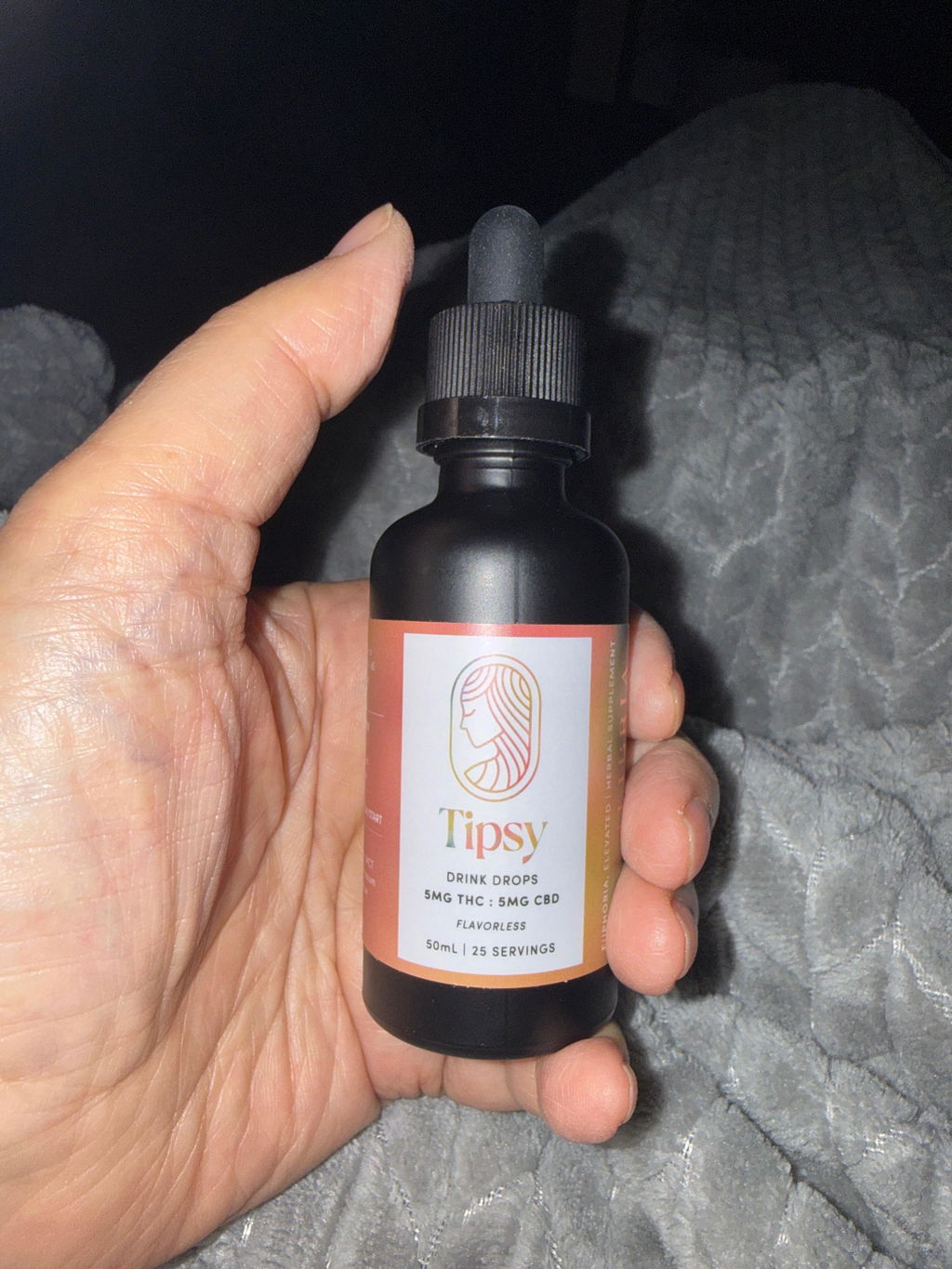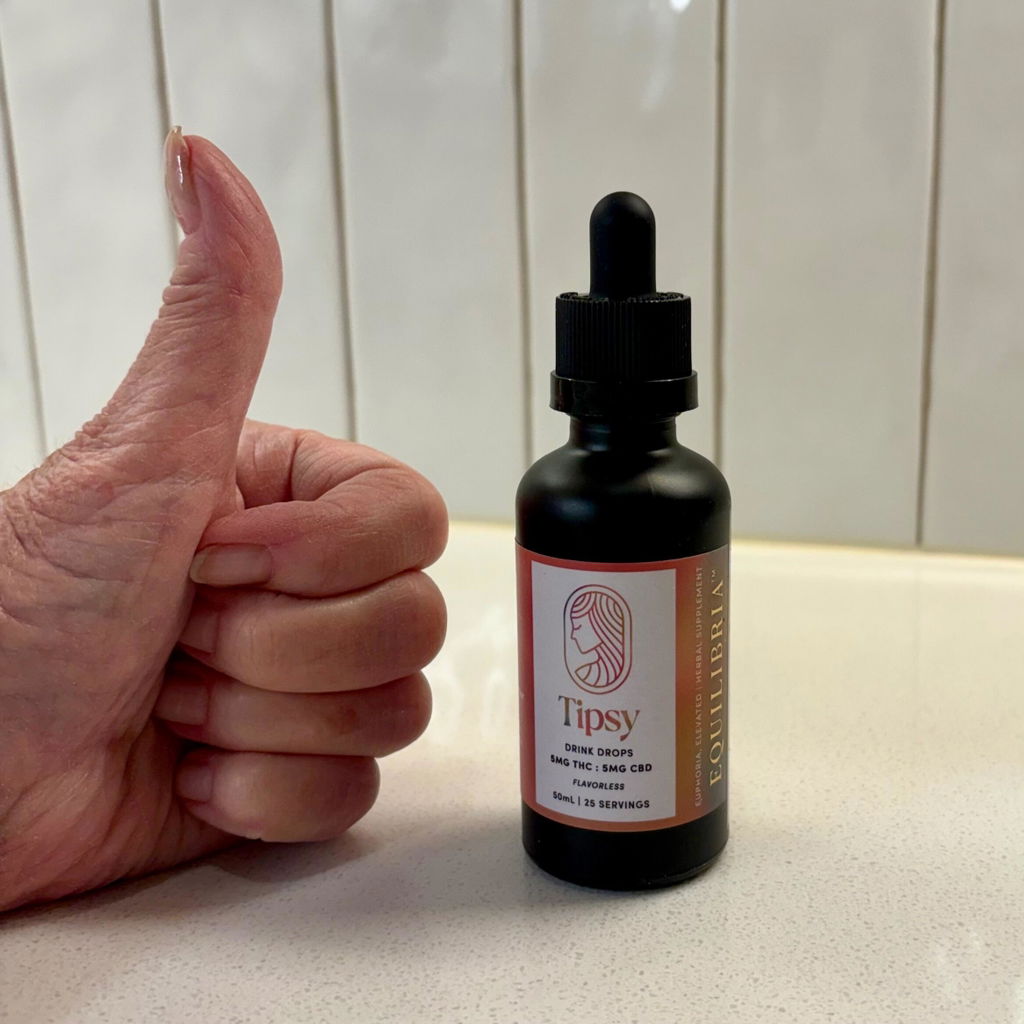


You missed your CBD drops two nights in a row. Your morning ritual slipped somewhere between a deadline and a dinner you forgot to plan. And the doubt might try to creep in: What’s the point of even starting over?
Here’s the truth the wellness industry rarely says out loud: the routine you actually do — imperfectly, inconsistently — will always beat the perfect routine you abandon.
Tonight is already a fresh start.
Key Takeaways
-
Consistency beats perfection. Missing a day doesn’t undo your progress—what matters is returning to your routine, including your daily CBD support.
-
Your body adapts to what you repeat. Over time, consistent habits—and consistent CBD support—help reinforce your natural regulatory systems.
-
Make it easy to show up. Smaller, simpler habits are more sustainable—and more effective—than all-or-nothing routines.
Why Perfection Is the Enemy of a Consistent Wellness Routine
If you’ve ever quit a new habit for your wellness routine because you missed a few days, that’s not weakness. That’s the product of a culture that handed us an impossible standard and called it self-care.
All-or-nothing thinking is one of the most documented cognitive patterns in behavioral psychology. It turns “I missed Wednesday” into “I’ve failed completely” — and makes starting again feel pointless. For women managing career, family, and health simultaneously, this pattern doesn’t just show up as a passing thought, but rather as an operating system.
We can say it like it really is: when we frame wellness as all-or-nothing, we build in a reason to quit. The problem isn’t willpower; it’s the standard. And the antidote isn’t trying harder — it’s understanding what’s actually happening inside your body when you support it consistently.
How Your Body Responds to Consistency Over Time (Understanding the ECS)
Your Endocannabinoid System (ECS) is one of your body’s master regulatory network — governing stress, sleep, mood, pain, and immune response. If you don’t already know the science, dive back into it in our ECS blog post. But now, here is the current takeaway and the practical piece:
ECS support is cumulative. CBD doesn’t work like ibuprofen — you don’t take it once and feel an acute effect. It interacts with CB1 and CB2 receptors over time, building what researchers call endocannabinoid tone — the baseline regulatory capacity that influences how well your body self-corrects.
This is why Equilibria members often describe a threshold moment around week four to six: “I can just feel it working now.” Not because the product changed, but because their endocannabinoid tone reached a sustained level where the effects became genuinely palpable.
And crucially: missing one day doesn’t reset that. Think of ECS tone less like a streak and more like a savings account. A missed day is a missed deposit — not a withdrawal that empties everything you’ve built. Resume tonight, and the system resumes with you.
This is why consistency matters—because the system responds to repeated input over time, not just one-time use.
And this pattern—how the body responds to repeated input—isn’t unique to the ECS. It’s how habits are formed more broadly.
What Habit Science Says About Building Consistency
Research from University College London found that habit formation takes, on average, 66 days—not 21—and that missing an occasional day does not meaningfully disrupt the process. The brain builds habits through repetition over time, not perfection in execution.
Behavioral science consistently points to the same truth: consistency matters more than intensity. Author James Clear captures this with a simple principle—avoid missing twice. A single lapse is part of being human; what matters is how quickly you return.
Stanford behavior scientist BJ Fogg offers a complementary approach: when life gets harder, make the habit smaller. A reduced version of the behavior still reinforces the pattern. A half-dose still counts. One softgel on an exhausting day still counts.
Because ultimately, habits aren’t built in ideal conditions—they’re built in real ones.
As Clear writes, “You don’t rise to the level of your goals. You fall to the level of your systems.”
How to Stay Consistent With Your Wellness Routine (Even When Life Gets Busy)
1. Anchor, don’t add. Attach your supplement routine to something that already exists — morning coffee, evening skincare, lunch. The ECS doesn’t care when you take consistent support. It cares that you do.
2. Eliminate friction. Softgels next to the coffee maker. Drops on the bathroom counter. A Rapid Calming Melt in your work bag. Visible, accessible, immediate. When friction disappears, decisions disappear — and habits become automatic.
3. Never miss twice. Build the backup before you need it: a travel-size format in your carry-on, a subscription so you never run out, a phone reminder for the first few weeks. Design your system so that missing twice takes more effort than showing up.
4. Track progress, not perfection. Try a “3 out of 7” mindset instead of a streak. Instead of aiming to show up every day, aim to show up a few times each week—and let consistency build from there. Over time, those small moments add up to meaningful progress.
Frequently Asked Questions About Consistency
Q: How long does it take to build a consistent habit?
A: Research suggests habit formation takes an average of about 66 days, though it varies by person and behavior. What matters most is repetition over time—not perfection.
Q: Why is consistency more important than perfection in a wellness routine?
A: The body builds balance through repeated support. Whether it’s habit formation or systems like the endocannabinoid system, consistent input helps reinforce long-term regulation more effectively than short bursts of perfect behavior.
Q: Do you need to take CBD every day for it to work?
A: Many people find that regular, consistent use fits best within a wellness routine. CBD interacts with the body over time, so building a steady habit may support a more noticeable experience compared to occasional use.
Q: What happens if you miss a day of CBD?
A: Missing one day of CBD does not undo your progress. Like most wellness routines, consistency over time matters more than perfect daily use. Simply resume your routine—your body responds to long-term patterns, not isolated gaps.
Q: Why doesn’t CBD work immediately for some people?
A: Immediate results are not that common and typically require consistency. CBD interacts with the body over time, particularly through systems like the endocannabinoid system. Many people find that consistent use allows the effects to become more noticeable compared to occasional use.
Build a Wellness Routine That Fits Real Life
Equilibria’s product lineup is designed to reduce the friction between “I meant to” and “I did”:
-
Daily Drops for flexible mornings
-
Daily Softgels for simplicity — take them with your meal or snack, move on
-
Rapid Calming Melts for travel days, hard afternoons, and the Tuesday that felt like a Thursday
-
Subscription delivery so you never hit a gap and lose the habit
-
1:1 Wellness Coaching to recalibrate when life changes — because it will
The goal isn’t to protect a streak or embark on another 30-day challenge. The real goal is a relationship with your own wellness that deepens over time. Imperfect, consistent, and genuinely yours.
You have permission to miss a day. You have permission to start again — tonight, not Monday.
References
-
Lally, P., van Jaarsveld, C. H. M., Potts, H. W. W., & Wardle, J. (2010).
How are habits formed: Modelling habit formation in the real world.
European Journal of Social Psychology. -
Gardner, B. (2015).
A review and analysis of the use of ‘habit’ in understanding, predicting and influencing health-related behaviour.
Health Psychology Review. -
Wood, W., & Neal, D. T. (2007).
A new look at habits and the habit-goal interface.
Psychological Review. -
Fogg, B. J. (2019).
Tiny Habits: The Small Changes That Change Everything.
Houghton Mifflin Harcourt. -
Clear, J. (2018).
Atomic Habits: An Easy & Proven Way to Build Good Habits & Break Bad Ones.
Avery. -
Lu, H. C., & Mackie, K. (2016).
An introduction to the endogenous cannabinoid system.
Biological Psychiatry. -
Di Marzo, V., & Piscitelli, F. (2015).
The endocannabinoid system and its modulation by phytocannabinoids.
Neurotherapeutics.