
Most approaches to stress support target one system. An adaptogen for cortisol. CBD for acute calm. GABA support for the nervous system’s brake pedal. Each of these makes sense on its own. But chronic stress doesn’t sit in one system — it runs through at least two, and they operate on completely different timescales.
The endocannabinoid system (ECS) handles real-time modulation: the moment-to-moment regulation of your stress response, your threat perception, and how readily your nervous system escalates or de-escalates. The HPA (hypothalamic-pituitary-adrenal) axis is the upstream command center — the system that determines how sensitized your stress response is in the first place, how quickly cortisol rises when a stressor arrives, and how long it takes to come back down.
These two systems talk to each other. But supporting one without the other is like trying to quiet a smoke alarm while the fire is still burning.
Key Takeaways
- The ECS and the HPA axis are two separate stress-regulating systems — the ECS modulates the immediate response; the HPA axis governs the chronic pattern
- CBD interacts with the ECS to support real-time stress signaling and help the nervous system shift out of a reactive state
- Ashwagandha directly recalibrates HPA axis function, with clinical evidence showing significant cortisol reduction after 8–12 weeks of consistent use*
- Lemon balm, passionflower, and L-theanine support the downstream GABAergic calm — different mechanism from adaptogens, overlapping outcome
- The most effective strategy coordinates both pathways: real-time support for the acute response, and consistent support for the chronic pattern driving it
- These ingredients don’t compete — they address different points of dysfunction in the same connected system
Pathway 1: Your Endocannabinoid System and the Acute Stress Response
When a stressor arrives — a difficult conversation, a deadline, a moment of overwhelm — your body’s threat-detection network activates within seconds. The amygdala, your brain’s alarm center, fires. The prefrontal cortex, responsible for context and perspective, struggles to stay online.
The result: a stress state that feels more urgent and less manageable than the situation might actually warrant.
The ECS sits right at the center of this process. CB1 receptors are densely expressed in both the amygdala and the prefrontal cortex — two regions central to how you process and respond to stress. Endogenous cannabinoids, primarily anandamide and 2-AG, act at these receptors to regulate the magnitude of the stress signal. Think of it as a dimmer switch on neurological reactivity:
- When ECS tone is high → the stress response stays proportional to the actual threat
- When ECS tone is depleted → the alarm fires disproportionately, and it takes more to wind down
ECS tone gets depleted by chronic stress, poor sleep, and simply having a demanding life. That’s when the nervous system starts over-responding to things that shouldn’t warrant a full alarm.
CBD’s primary mechanism is inhibiting FAAH (fatty acid amide hydrolase) — the enzyme responsible for breaking down anandamide. When FAAH activity is reduced, anandamide stays active longer, maintaining higher ECS tone and supporting the prefrontal cortex’s ability to contextualize the stressor. In practice, this isn’t sedation. It’s a reduction in the nervous system’s tendency to over-respond: the hypervigilance quiets, the urgency softens, and the feedback loop between perceived threat and physiological arousal has somewhere to break.
CBN adds a complementary layer via partial CB1 agonism — particularly relevant at night, when cortisol interference with sleep becomes a significant concern. See how CBD layers with other ingredients →
What the ECS pathway addresses: The acute escalation — the immediate stress signal, the threat response, the transition out of a reactive state. It works in real time, within the window of a single CBD dose.
What it doesn’t do: It doesn’t recalibrate the system that determines how sensitized you are to stressors in the first place. That’s the HPA axis’s job.
Pathway 2: The HPA Axis and the Chronic Stress Pattern
The HPA axis is not a quick-response system. It’s the body’s long-term stress regulation architecture — a feedback loop between the hypothalamus, the pituitary gland, and the adrenal glands that governs cortisol: how much is released, when, and how efficiently the system recovers afterward.
Under acute stress, this works exactly as it should: cortisol rises to mobilize energy and focus, then drops as the stressor resolves. Under chronic stress, the feedback loop becomes dysregulated. Here’s what that shift looks like:
- The set point moves up: baseline cortisol stays elevated for longer
- Recovery slows: it takes more time to wind down after each stressor
- The axis becomes sensitized: less triggers a full response, and more is required to come back down
This is where ashwagandha has the most direct clinical evidence. Ashwagandha (Withania somnifera) is classified as an adaptogen under the original Brekhman criteria — it produces a normalizing effect on the stress response without being sedating or stimulating. Its active compounds, withanolides, modulate glucocorticoid receptor sensitivity in the HPA axis: reducing the axis’s over-reactivity without blunting its function.
The evidence is consistent:
- A 2025 meta-analysis of seven RCTs found statistically significant cortisol reduction vs. placebo: −1.16 μg/dL (95% CI: −1.64 to −0.69, p < 0.001)
- An earlier double-blind, placebo-controlled trial using 240mg standardized extract daily showed significant morning cortisol reduction over 60 days
Ashwagandha doesn’t do this in a single dose. The clinical data is consistent at 8–12 weeks of daily use — which means it works by accumulation, not by acute pharmacological action. That’s the defining feature of a true adaptogen: it restores a pattern, not a moment. See the full clinical picture →
What the HPA axis pathway addresses: The underlying sensitization — the chronic pattern of over-reactivity that makes each stressor feel more acute than it should, and keeps the nervous system elevated even when there’s nothing to respond to.
What it doesn’t do: It doesn’t immediately quiet an active stress response in the moment. That’s the ECS pathway’s strength.
The GABAergic Layer: Downstream Nervous System Support
Between the ECS (real-time signaling) and the HPA axis (chronic calibration) lies a third contributor: your GABAergic system — the network of inhibitory neurotransmitter signaling that physically quiets nervous system activity. This is where some of the most well-studied nervous system support supplements operate.
Three ingredients work here, each through a different mechanism:
Lemon balm (Melissa officinalis) works via rosmarinic acid, which inhibits GABA transaminase (GABA-T) — the enzyme that breaks GABA down. More GABA remaining in the synapse means more efficient inhibitory signaling. Clinical studies associate this with reduced anxiety scores, improved sleep quality, and measurable reductions in emotional distress. A 2025 mechanistic review also confirms secondary HPA axis modulation, making lemon balm more than just a calming ingredient.
Passionflower (Passiflora incarnata) interacts with GABA-A receptors directly. Its mechanism is complementary to lemon balm’s: where lemon balm preserves GABA, passionflower may enhance the receptor’s responsiveness to it. Human RCT data supports both sleep quality improvement and anxiety reduction.
L-theanine, the amino acid from green tea, promotes alpha brain wave activity — the neural signature of relaxed alertness. It also modulates GABA levels in the brain directly. That combination supports calm focus without sedation, making it particularly useful during the day when you need the stress response quieted but function intact. What the research shows on L-theanine →
None of these are ashwagandha — they don’t recalibrate the HPA axis. None of them are CBD — they don’t interact with ECS tone. What they do is support the downstream calm that both pathways are working toward. Our Daily Stress Gummies combine lemon balm, passionflower, and L-theanine with CBD precisely because the mechanisms are non-overlapping and additive.*
Why Two Pathways Are Better Than One
Here’s the practical implication: if you only support the ECS, you’re managing the acute stress response without addressing the chronic sensitization underneath it. CBD may help you feel calmer in a given moment while the HPA axis remains dysregulated, prone to over-activating at the next provocation.
If you only support the HPA axis, you’re working on long-term calibration while the real-time stress signal continues to run hot. Ashwagandha’s 8–12 week window is meaningful, but it doesn’t quiet an active stress response in the moment.
The two-pathway approach — real-time ECS support plus consistent HPA axis recalibration — coordinates the response and the pattern simultaneously. The ECS work makes the present more manageable. The HPA work changes the set point so the future requires less managing.
How to Layer These Ingredients
The timing and sequencing of these ingredients reflects how they work:
Daily, consistent use (HPA axis and GABAergic foundation):
Ashwagandha, lemon balm, passionflower, and L-theanine work by accumulation and consistency. They’re not designed for as-needed use — they build a baseline over time. Take them daily, ideally with a meal and at a consistent time.
As-needed or situational use (ECS modulation):
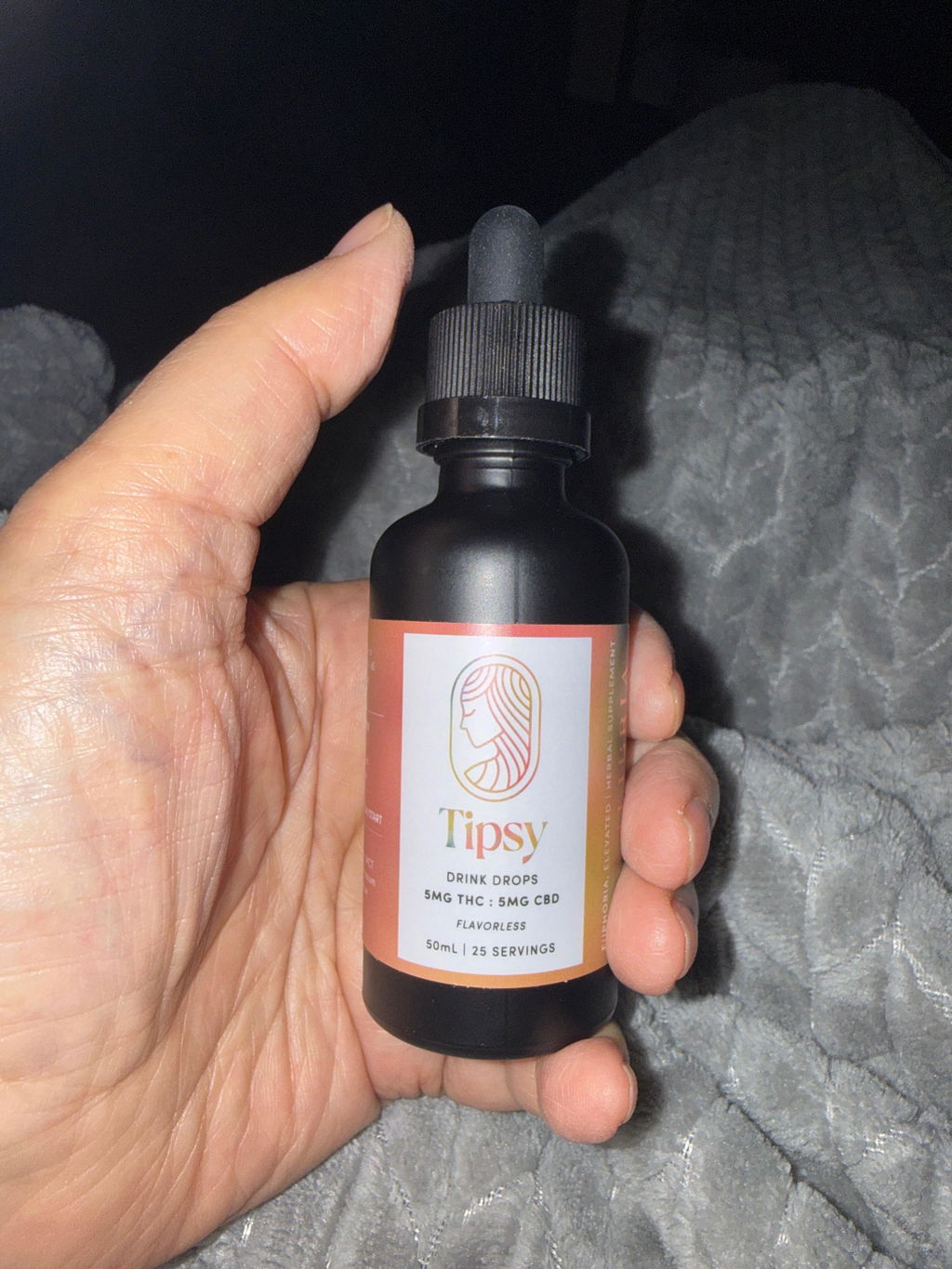
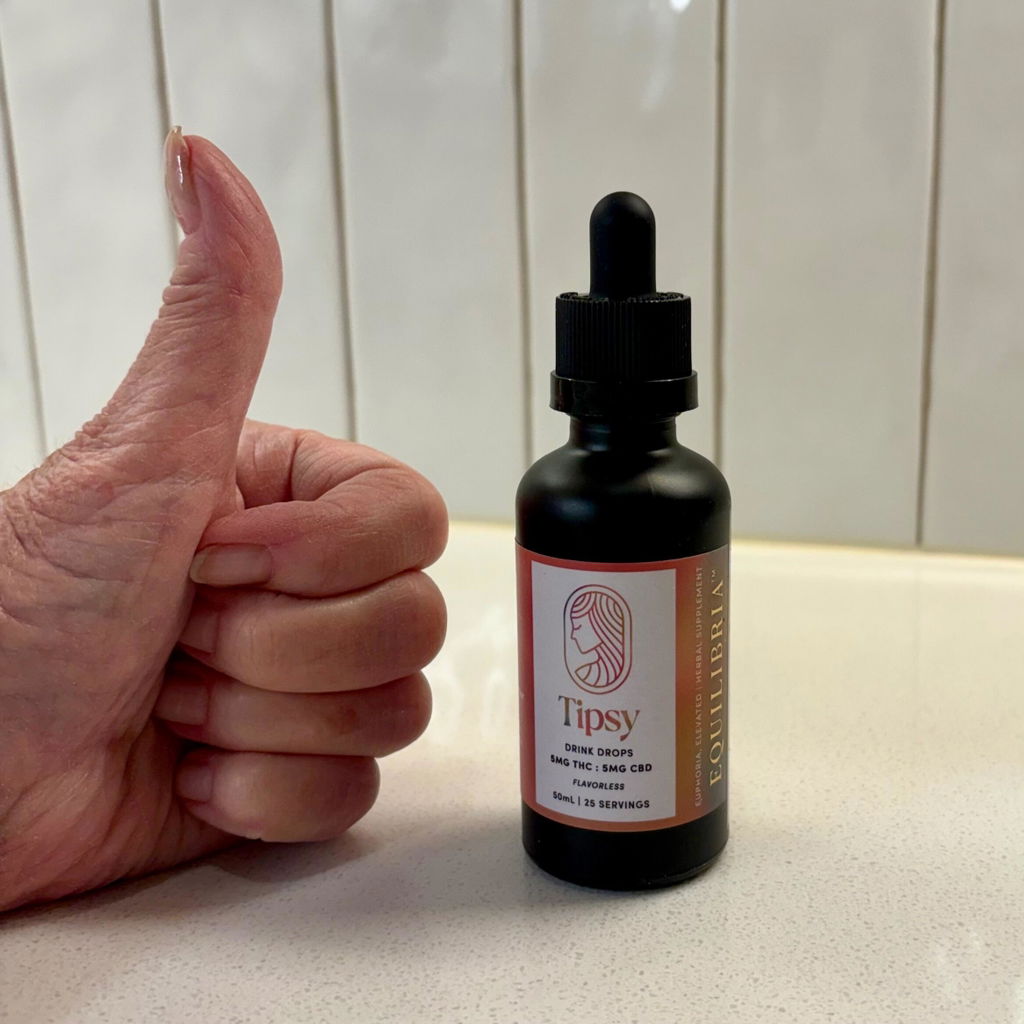
CBD’s acute mechanism is compatible with both daily baseline use and situational escalation. Many people take a daily low dose for baseline ECS tone and add an additional dose during high-stress windows. Sublingual formats — drops or sprays — provide faster onset for acute use. Daily Drops Regular Strength and Daily Gummies offer consistent, slower-release dosing for daily baseline.*
Nighttime integration:
For the stress-sleep overlap — particularly nighttime cortisol interference and middle-of-night waking — combining the HPA and ECS pathways with sleep-specific support (CBD with CBN, Deep Sleep Magnesium) addresses the cortisol component, the mineral floor, and ECS modulation simultaneously. The mechanisms are non-overlapping and additive. Rapid Sleep Spray is designed for this window.*
If you’re unsure where to start or how to calibrate the stack for your specific pattern, 1:1 coaching can help you build a protocol based on your symptom picture — not a generic recommendation.
The Takeaway
Stress doesn’t live in one system. It’s expressed through your ECS, calibrated by your HPA axis, and experienced through your nervous system’s overall tone. The Dual-Pathway Strategy isn’t a product bundle — it’s a way of thinking about how these systems interact and what each ingredient is actually doing.
Real-time support and long-term recalibration aren’t competing priorities. They’re the two halves of the same strategy. When both pathways are supported, the stress response becomes something your nervous system can navigate — not something it’s constantly reacting to.
If you’re dealing with chronic or significant stress, a dosage specialist can help you build the right protocol for your specific pattern. Learn about 1:1 support.*
* These statements have not been evaluated by the Food and Drug Administration. This product is not intended to diagnose, treat, cure, or prevent any disease.
Frequently Asked Questions
What is the Dual-Pathway Strategy?
The Dual-Pathway Strategy refers to supporting two distinct stress-regulating systems simultaneously: the endocannabinoid system (ECS), which modulates the real-time stress response, and the HPA (hypothalamic-pituitary-adrenal) axis, which governs the chronic pattern of stress reactivity and cortisol regulation. Because these systems operate on different timescales and through different mechanisms, supporting both addresses the acute experience of stress and the underlying sensitization that drives it.
What’s the difference between CBD and ashwagandha for stress?
CBD interacts with the endocannabinoid system to support real-time stress modulation — reducing the nervous system’s tendency to over-respond in the moment. Ashwagandha is an adaptogen that recalibrates the HPA axis over time, with clinical evidence showing significant cortisol reduction after 8–12 weeks of consistent use. They work through different mechanisms on a different timescale, which is why combining them may address aspects of stress that neither addresses alone.
How long does it take for adaptogenic supplements to work?
Adaptogens like ashwagandha work by accumulation, not by acute pharmacological action. The consistent clinical finding is at 8–12 weeks of daily use. This means they are daily-use supplements, not as-needed tools. CBD and other ECS-supporting ingredients can be felt more acutely and are also compatible with as-needed use in higher-stress windows.
Can I take CBD, ashwagandha, L-theanine, and lemon balm together?
These ingredients work through different mechanisms — ECS modulation, HPA axis recalibration, and GABAergic nervous system support — and are generally considered complementary rather than redundant. However, individual factors including medications, health conditions, and your current baseline all matter. If you’re managing a significant health condition or taking prescription medications, speaking with a healthcare provider before adding multiple supplements is recommended.
What does “nervous system support” actually mean?
Nervous system support is a broad category that can mean different things depending on the mechanism. In the context of stress and calm, it typically refers to: ECS tone (how well your endocannabinoid system regulates threat response), HPA axis calibration (how efficiently your cortisol system activates and recovers), and GABAergic tone (how effective your brain’s inhibitory signaling is). Each of these contributes to what we experience as feeling calm, resilient, or reactive — and each responds to different ingredients.