
It arrives without warning — a wave of heat rising through your chest and face, a flush, maybe a sweat, sometimes a racing heart. A hot flash can feel like your body's internal thermostat has malfunctioned. And in a very real sense, that's close to what's happening.
Hot flashes are one of the most common experiences of perimenopause and menopause, affecting up to roughly three in four women during this transition (NAMS, 2023). But "common" doesn't mean "well explained." Most women are told that hot flashes happen without ever being told why. So here's the science — what's actually going on in your body, why stress and poor sleep make it worse, and what the evidence suggests can help.
Key Takeaways
- A hot flash is a thermostat problem, not a temperature problem. It starts in the hypothalamus, your brain's temperature-control center, not because your body is genuinely overheating.
- Estrogen decline narrows your "thermoneutral zone." As estrogen drops, the comfortable temperature range your body tolerates without reacting shrinks — so tiny rises in core temperature trigger a full cooling response.
- Your autonomic nervous system runs the response. The flush, sweat, and rapid heartbeat are your involuntary nervous system dumping heat as fast as it can.
- Stress and poor sleep amplify them. Cortisol and sympathetic-nervous-system activation can narrow that thermoneutral zone further, and lost sleep feeds the cycle.
- Relief is real but individual. Lifestyle strategies, targeted comfort tools, and — for many women — a conversation with a healthcare provider about options all play a role.
What Actually Causes a Hot Flash?
The control center for body temperature sits deep in your brain, in a region called the hypothalamus. Think of it as a thermostat: it has a "set point," and it works to keep your core temperature within a narrow comfortable band around it. That band is called the thermoneutral zone.
Normally, this zone is wide enough that small fluctuations — a warm room, a cup of tea, a slight shift in activity — don't trigger any reaction. Your body just absorbs them.
During perimenopause and menopause, declining and fluctuating estrogen changes how this thermostat behaves. Research shows the thermoneutral zone narrows dramatically in women who experience hot flashes. With a razor-thin comfort band, a tiny rise in core temperature that you'd never normally notice now crosses the upper threshold — and your brain interprets it as "we are overheating, cool down now."
Why the Heat, the Sweat, and the Racing Heart?
Once the hypothalamus decides you're too warm, it triggers your autonomic nervous system — the involuntary branch that runs things you don't consciously control. It launches an aggressive heat-dissipation response: blood vessels near the skin dilate (the flush and the sensation of heat), sweat glands activate (the perspiration), and your heart rate can climb to move blood toward the surface faster.
None of this is a malfunction of your body's cooling system, exactly — the cooling system is working perfectly. It's just responding to a false alarm. You weren't actually overheating; the threshold simply moved.
At the deeper mechanistic level, researchers have identified specific neurons in the hypothalamus — part of the KNDy/neurokinin B pathway — that become overactive when estrogen withdraws, and this overactivation is now understood to be a primary driver of hot flashes. It's the target of some of the newest clinical treatments, which is worth knowing if you discuss medical options with your provider. For a broader look at how your body's stress-signaling systems connect to hormonal health, see The Endocannabinoid System Explained.
Why Stress and Poor Sleep Make It Worse
If you've noticed your hot flashes spike during stressful stretches or after bad nights, that's not your imagination. Cortisol and sympathetic-nervous-system ("fight or flight") activation can narrow the thermoneutral zone even further — essentially shrinking your already-thin comfort band.
And it loops. Hot flashes — especially night sweats — fragment sleep. Lost sleep amplifies HPA-axis reactivity and next-day stress sensitivity, which in turn lowers the hot-flash threshold further. The same cortisol-sleep cycle that drives nighttime wakeups and daytime stress sensitivity can lower your hot flash threshold too — a connection explored in depth in the Dual-Pathway Strategy guide and in What Cortisol Does to a Woman's Body. Supporting your stress response and your sleep isn't a cure for hot flashes — but it can stop you from pouring fuel on them.
What Actually Helps
Let's be honest about the evidence, because hot flash relief is an area thick with overpromising.
Lifestyle foundations come first and have the best risk-to-benefit ratio: layered clothing, a cooler bedroom, identifying personal triggers (for many women, alcohol, caffeine, and spicy food), regular movement, and stress management. These won't eliminate hot flashes, but they reduce frequency and intensity for many women.
Targeted comfort tools address the moment itself. Our Dual Relief Pad offers physical cooling relief — a somatic, in-the-moment comfort tool rather than a treatment for the underlying mechanism.
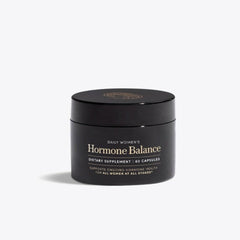
Botanical and supplemental support is where care with claims matters most. The clinical data on botanicals for menopausal symptoms is genuinely mixed and, in the words of one review, "controversial." Some plant compounds are phytoestrogens that act mildly on hormone receptors; others are proposed to work through non-hormonal pathways. Daily Women's Hormone Balance may help support comfort through common hormonal transitions.* Because hormonal health is so individual, personalized guidance is worth more than a supplement label — our Certified Wellness Coaches can help you think through your approach through 1:1 support.
Medical options deserve a mention precisely because this post is educational, not promotional. For many women, hormone therapy and newer non-hormonal prescription options (including the NKB-pathway drugs mentioned above) are effective and appropriate. That's a conversation for your healthcare provider. Always consult your healthcare provider about perimenopausal and menopausal symptoms, especially before starting a new supplement.
A hot flash isn't your body failing you. It's your body's cooling system doing its job a little too eagerly, against a moving target. Understanding the why is the first step toward meeting it with the right tools — and a lot less mystery.
Frequently Asked Questions
What causes hot flashes?
Hot flashes are caused by a temporary disruption in the brain's temperature-control center, the hypothalamus. As estrogen declines during perimenopause and menopause, the body's comfortable temperature range — its thermoneutral zone — narrows significantly. Small rises in core temperature then trigger a disproportionate cooling response: flushing, sweating, and a racing heart.
Why do hot flashes happen at night?
Night sweats are hot flashes that occur during sleep. The same narrowed thermoneutral zone is at work, and small temperature shifts under bedding can cross the threshold. Night sweats are especially disruptive because they fragment sleep, and lost sleep can increase stress reactivity that makes hot flashes more frequent.
Can stress make hot flashes worse?
Yes. Cortisol and activation of the sympathetic nervous system can narrow the thermoneutral zone further, lowering the threshold at which a hot flash is triggered. Because hot flashes also disrupt sleep, and poor sleep raises stress sensitivity, stress and hot flashes can reinforce each other in a cycle.
What naturally helps with hot flashes?
Lifestyle strategies have the most favorable balance of evidence and safety: layered clothing, a cooler sleeping environment, identifying personal triggers like alcohol or spicy food, regular movement, and stress management. The evidence for botanical supplements is mixed and varies by ingredient. Targeted comfort tools can ease the moment itself. Persistent symptoms should be discussed with a healthcare provider.
How long do hot flashes last?
Both the individual episode and the overall phase vary widely. A single hot flash typically lasts from one to five minutes. The years over which a woman experiences them differ substantially from person to person, which is one reason a personalized approach and medical guidance are valuable.
*These statements have not been evaluated by the Food and Drug Administration. This product is not intended to diagnose, treat, cure, or prevent any disease.