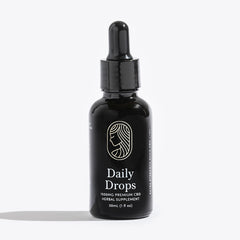
The short answer is no. CBD will not get you high.
But that answer deserves a fuller explanation — because understanding why CBD is non-intoxicating is actually the key to understanding what it does do, and why full-spectrum CBD products contain trace amounts of THC even though they don’t produce a high.
Key Takeaways
- CBD is non-intoxicating. It does not produce a high. The psychoactive effects associated with cannabis come from THC, not CBD.
- CBD interacts with the endocannabinoid system (ECS) in an indirect, modulatory way — it doesn’t bind to CB1 receptors the way THC does.
- Full-spectrum CBD contains trace amounts of THC (0.3% or less) by design — the entourage effect makes full-spectrum more effective than CBD isolate. This trace THC does not produce intoxication in most individuals.
- Trace THC can accumulate with daily use and may be detectable on drug tests. Consult your employer or healthcare provider if you are subject to testing.
- CBD does not impair driving or cognitive function. Members use it before work and during the day without issue.
CBD and THC: two cannabinoids, very different effects
Cannabis contains over 100 known cannabinoids. The two most discussed are CBD (cannabidiol) and THC (tetrahydrocannabinol). They’re both produced by the same plant, and they can work synergistically in the body — but they have fundamentally different effects on the brain.
THC is psychoactive. It binds directly to CB1 receptors in the brain — particularly in regions associated with perception, memory, time sense, and mood — and activates them in a way that produces the characteristic “high” associated with cannabis. This direct CB1 binding is the mechanism behind intoxication.
CBD does not work this way. CBD has low binding affinity for CB1 receptors. Instead, it interacts with the endocannabinoid system (ECS) in an indirect, modulatory way — influencing how the system functions without directly activating the receptors responsible for psychoactive effects. It also interacts with serotonin receptors (5-HT1A) and other non-cannabinoid pathways.
The result: CBD is not intoxicating. It does not alter perception, impair reaction time, or produce euphoria.
What does CBD actually feel like?
This question gets asked often, and it’s worth answering honestly.
Most members describe the experience of CBD as quiet. Not the absence of sensation, but the absence of something that was there before — the persistent tension they’d been carrying, the edge that made stress feel sharper, the mental churn that made sleep harder. It reads more like subtraction than addition.
Some members describe a gentle sense of calm or ease, particularly in the first few hours after a dose. Others don’t notice anything for weeks and then realize — usually in retrospect — that they’ve been sleeping through the night more consistently, or that a situation that would have sent their stress response into overdrive a few months ago didn’t land the same way.
CBD is not sedative in the way a sleep aid is. It’s not stimulating in the way caffeine is. What members most reliably report is a gradual recalibration of baseline: less reactive, more steady, more able to meet the day without being derailed by it.
Full-spectrum CBD and trace THC: what you need to know
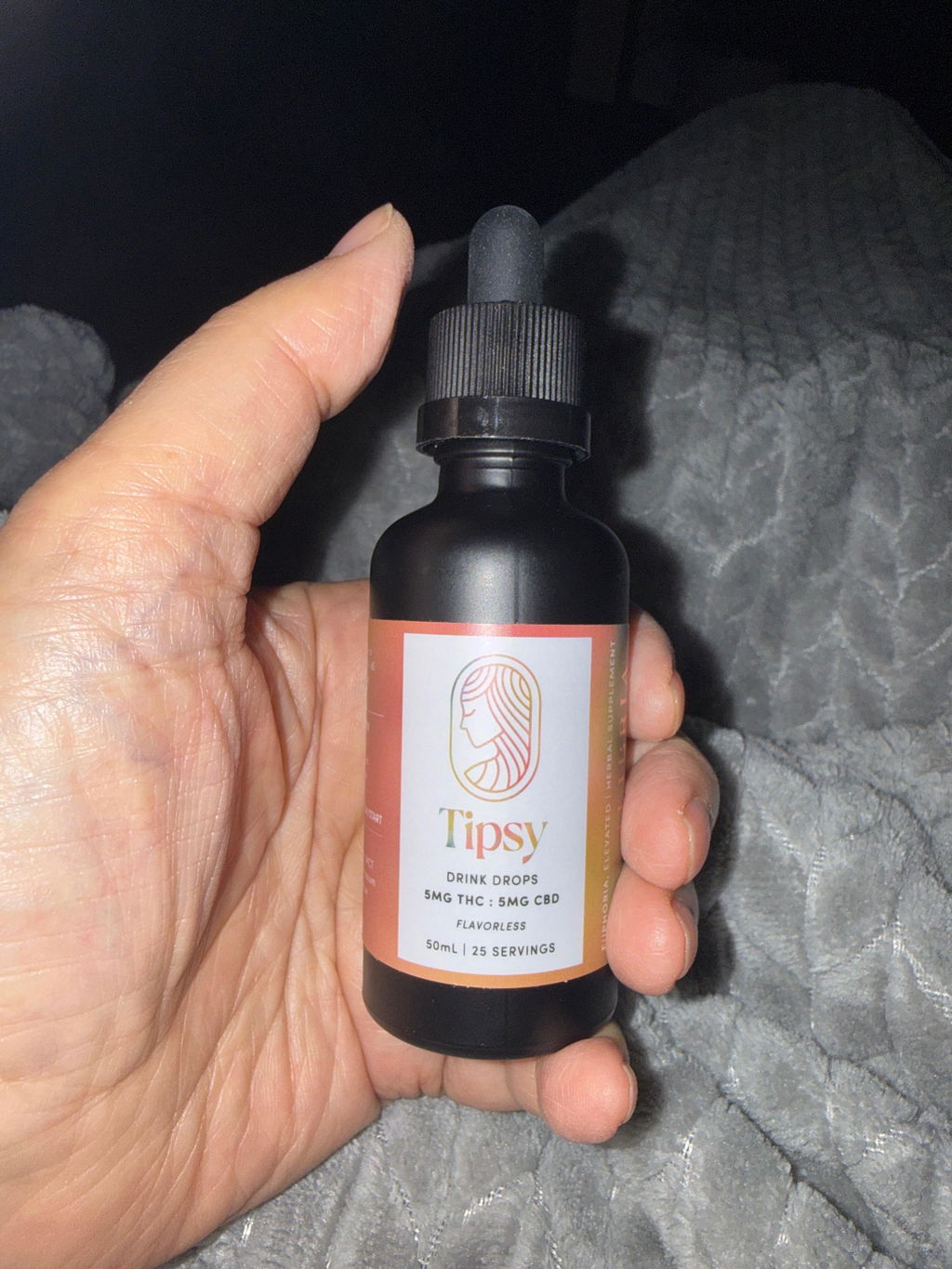
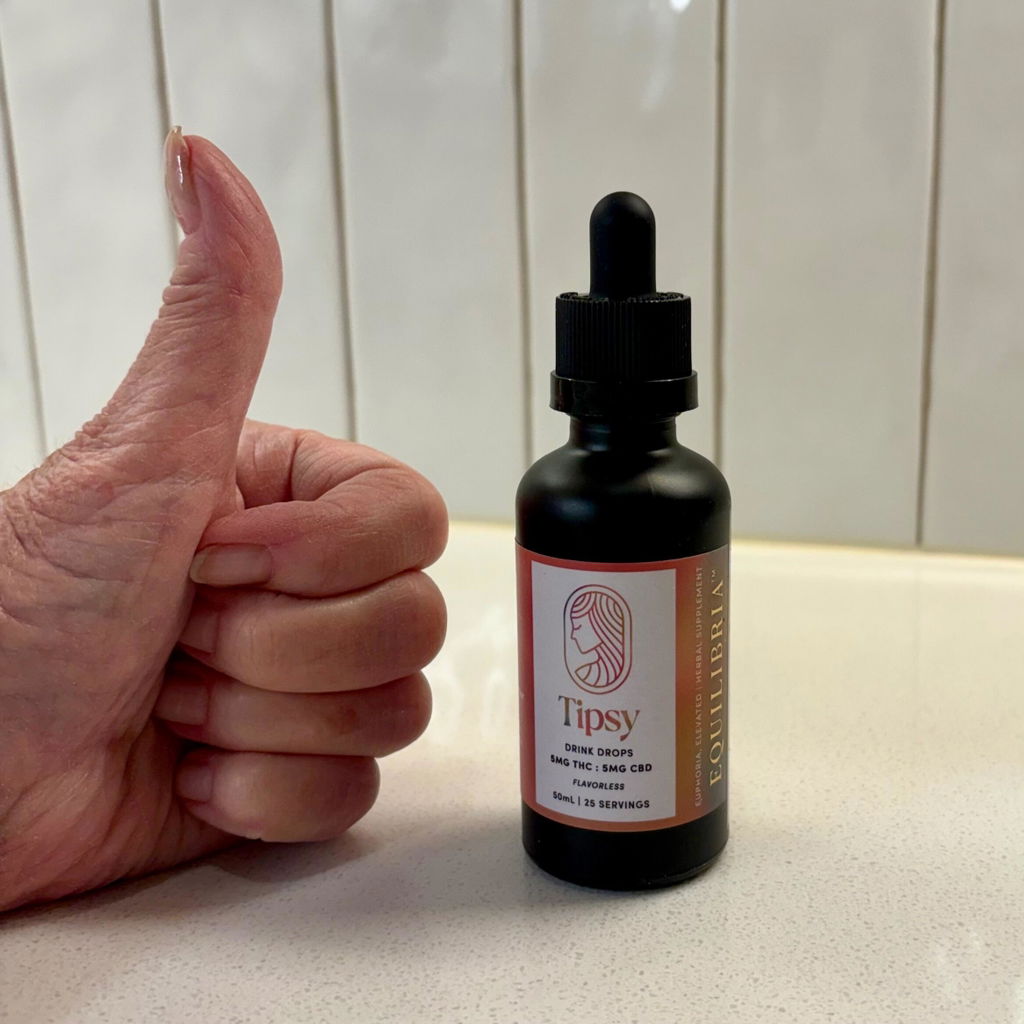
Equilibria uses full-spectrum CBD — which means the product contains the full range of cannabinoids, terpenes, and plant compounds present in hemp, including trace amounts of THC (0.3% or less, in compliance with federal law).
This is intentional. The presence of trace cannabinoids and terpenes alongside CBD is associated with what researchers call the “entourage effect” — the synergistic interaction between cannabis compounds that research suggests produces greater overall efficacy than CBD in isolation (known as CBD isolate). The full spectrum is part of why full-spectrum products tend to be more effective.
The trace THC in Equilibria’s CBD-focused products is not sufficient to produce any psychoactive effect. That said, highly sensitive individuals should still be conscious of the trace amounts compounded. It is far below the typical threshold associated with intoxication, and it is consistent from batch to batch — verified through third-party lab testing, which is available in Equilibria’s Help Center.
A note on cannabis hemp, CBD, and the broader cannabis landscape
For anyone specifically looking to avoid psychoactive effects, full-spectrum CBD is a well-suited starting point — the trace THC in compliant hemp products isn’t enough to produce intoxication, and CBD works through non-psychoactive pathways by design.
That said, THC and CBD aren’t opposing forces. Both are naturally occurring compounds in the same plant, and the research increasingly supports the idea that they work better together than in isolation — a concept known as the entourage effect. For some wellness goals, intentional low-dose THC alongside CBD may be worth exploring, and the science behind that approach is more nuanced than the stigma suggests. If you’re curious about where hemp-derived products — CBD-forward or otherwise — fit your needs, our microdosing guide for women is a practical next step, or you can book a 1:1 session with a Certified Wellness Coach to talk through your specific goals.
Will I pass a drug test?
Standard workplace drug tests screen for THC metabolites — not CBD. CBD itself is not the target. However, the trace THC present in full-spectrum products can accumulate in the body with consistent daily use, and may be detectable on a drug test depending on the test’s sensitivity threshold, frequency of use, and individual metabolism.
If you are subject to drug testing — employment, athletic, or otherwise — consult your employer, testing administrator, or healthcare provider before starting a full-spectrum CBD routine. The Dosage Team at Equilibria is also available at wellness@myeq.com to discuss your specific situation.
Is it safe to drive or work while taking CBD?
CBD does not impair cognitive function, reaction time, or motor control at standard wellness doses. It is not psychoactive.
Equilibria members routinely take CBD before work, during the day, before exercising, and in situations that require full concentration. That said, as with any supplement you’re trying for the first time, starting your CBD routine on a day when you have some flexibility to assess your personal response is reasonable — not because impairment is expected, but because how your body responds is worth knowing before you assume it.
Frequently Asked Questions
Q: Can CBD get you high? A: No — CBD is non-intoxicating. The high associated with cannabis comes from THC, not CBD. These are two distinct cannabinoids with fundamentally different effects on the brain. THC binds directly to CB1 receptors in the brain in a way that produces psychoactive effects. CBD does not bind to CB1 receptors in the same way and does not produce intoxication.
Q: Does Equilibria’s CBD contain THC? A: Equilibria uses full-spectrum CBD, which includes trace amounts of THC (0.3% or less) in compliance with federal law. This trace THC is not sufficient to produce any psychoactive effect. The full-spectrum formulation is intentional — the presence of trace cannabinoids and terpenes is associated with greater overall efficacy compared to CBD isolate, a phenomenon known as the entourage effect.
Q: Will I feel impaired or different after taking CBD? A: Most members describe the experience as a subtle sense of calm or ease — not impairment. CBD is not intoxicating and doesn’t alter perception, reaction time, or cognition the way THC does. You won’t feel high, sedated, or out of it. Some members describe feeling more grounded or less reactive to stress, but fully functional throughout the day.
Q: Is it safe to drive or work after taking CBD? A: CBD is not psychoactive and does not impair cognitive function or reaction time at standard wellness doses. Equilibria members routinely take CBD before work and during the day. As with any new supplement, starting your CBD routine on a day when you have flexibility can help you understand your personal response — but impairment is not an expected outcome.
Q: What’s the difference between CBD and THC? A: CBD and THC are both cannabinoids found in the cannabis plant, and they can work synergistically in the body — but they have very different individual effects. THC is psychoactive — it binds to CB1 receptors in the brain and can produce intoxication. CBD is non-psychoactive — it interacts with the ECS in a more indirect, modulatory way and does not produce a high. Full-spectrum CBD products contain both, but trace THC levels in compliant products are not enough to cause intoxication.